Module 1 Formstorming

Yiyang Zhang


Project 1


Module 1

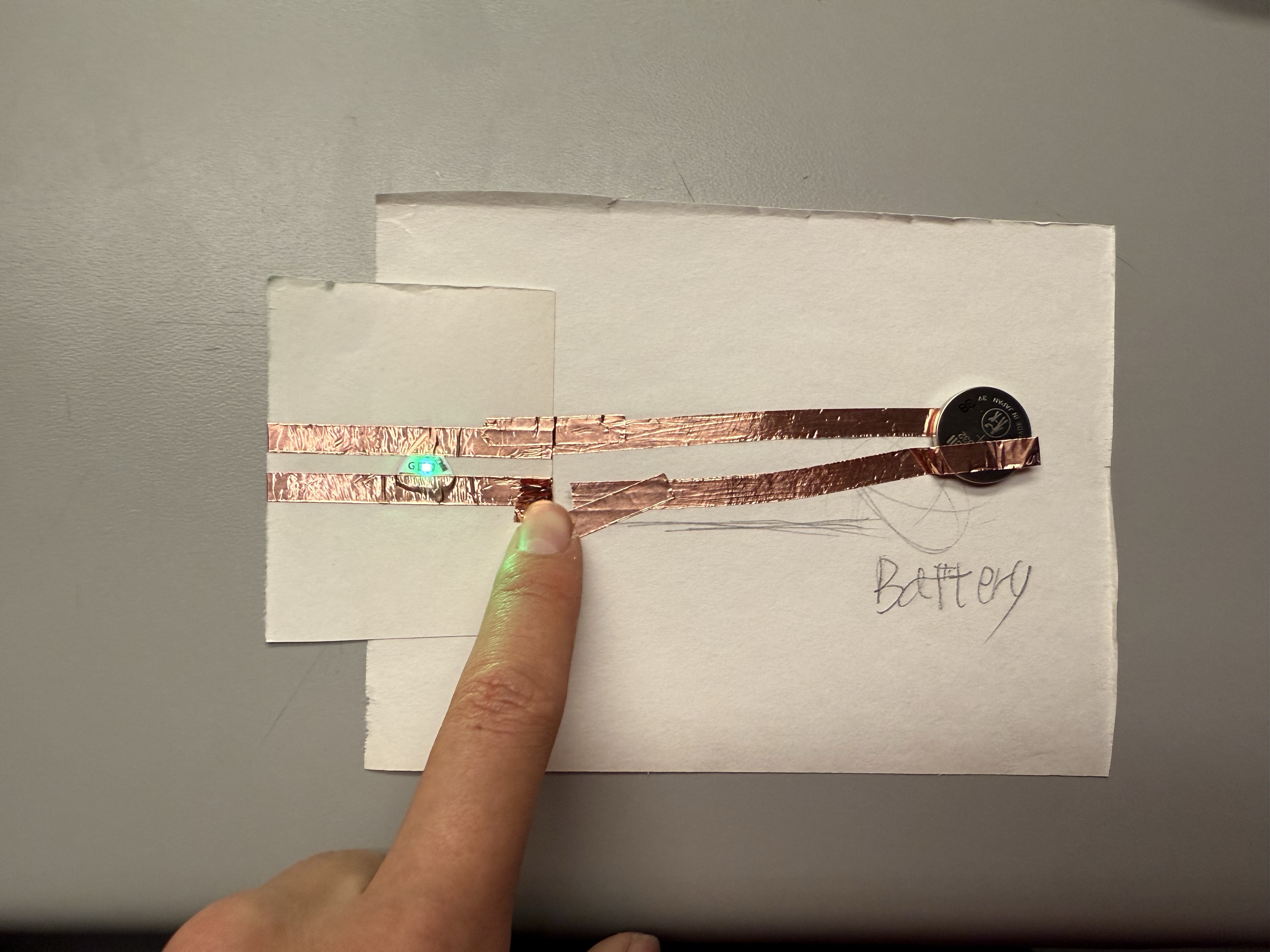
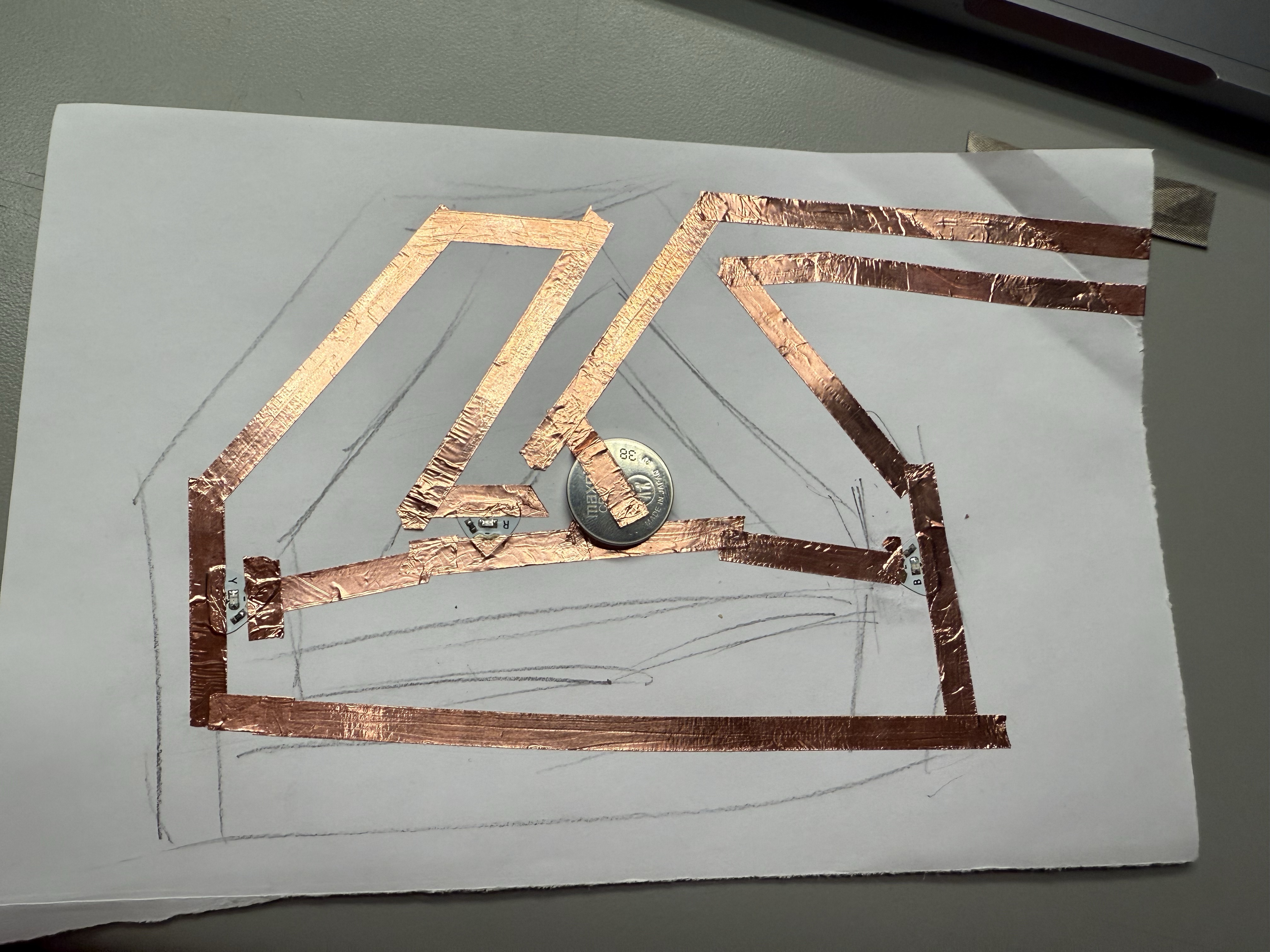
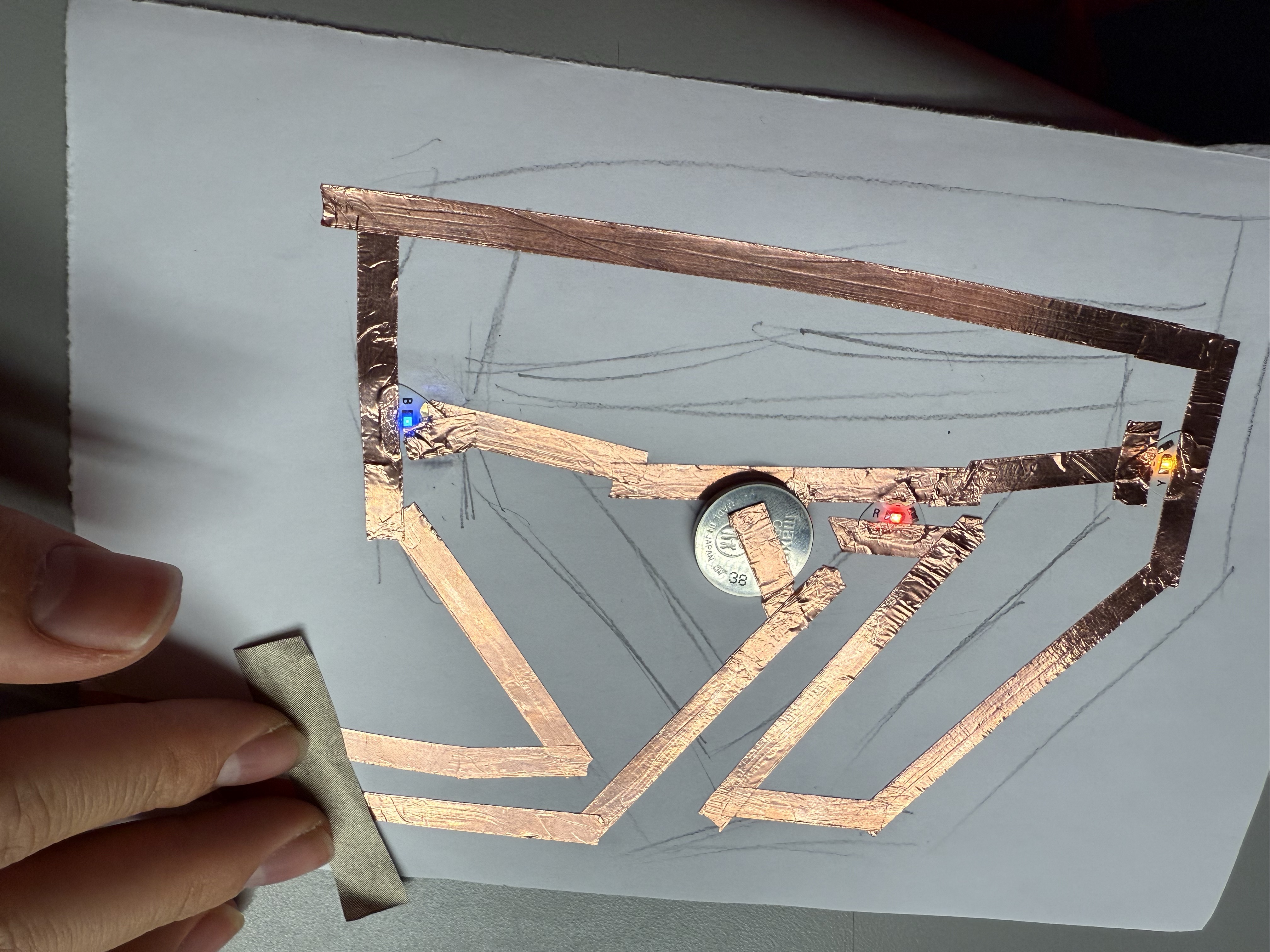
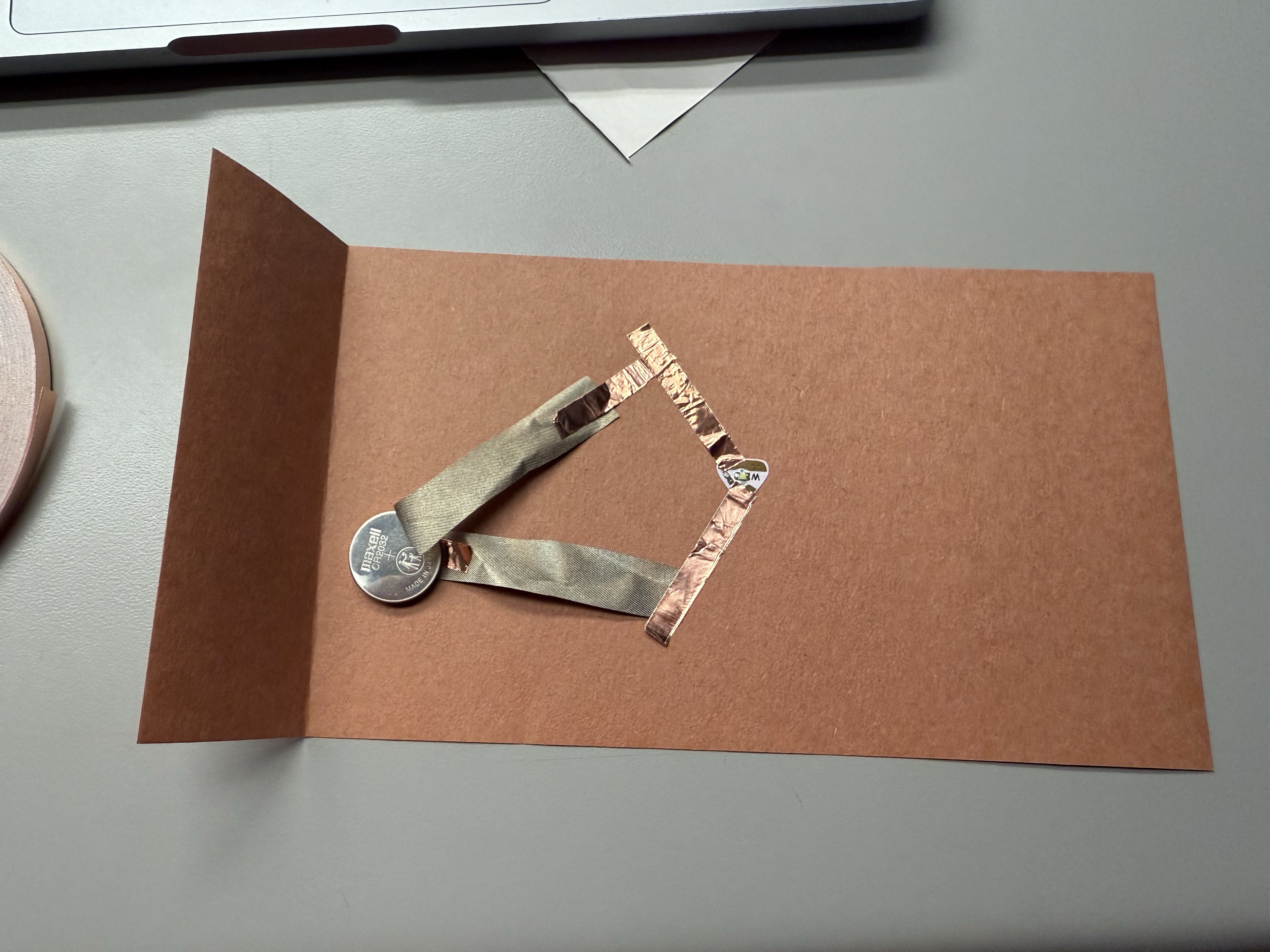
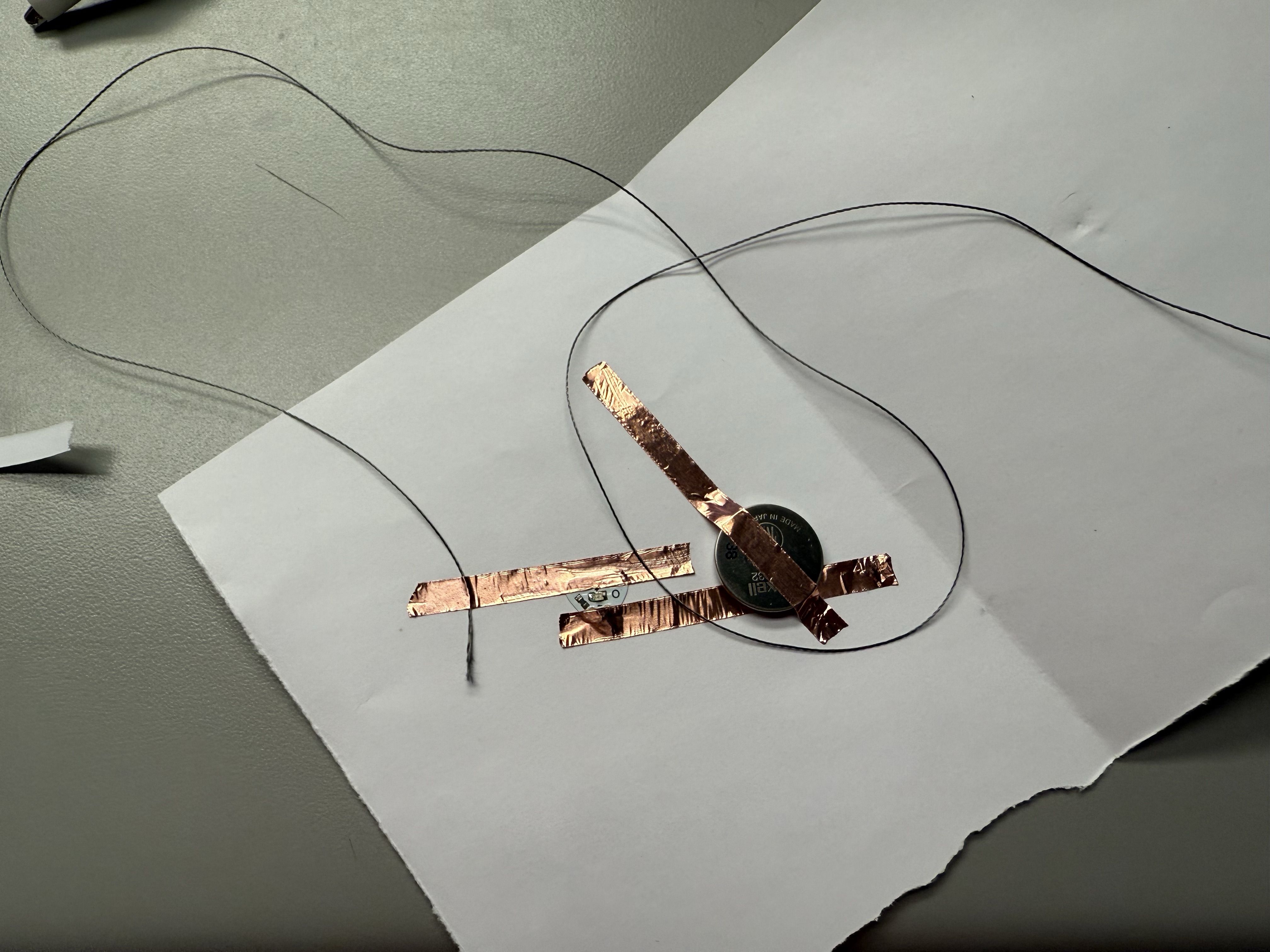
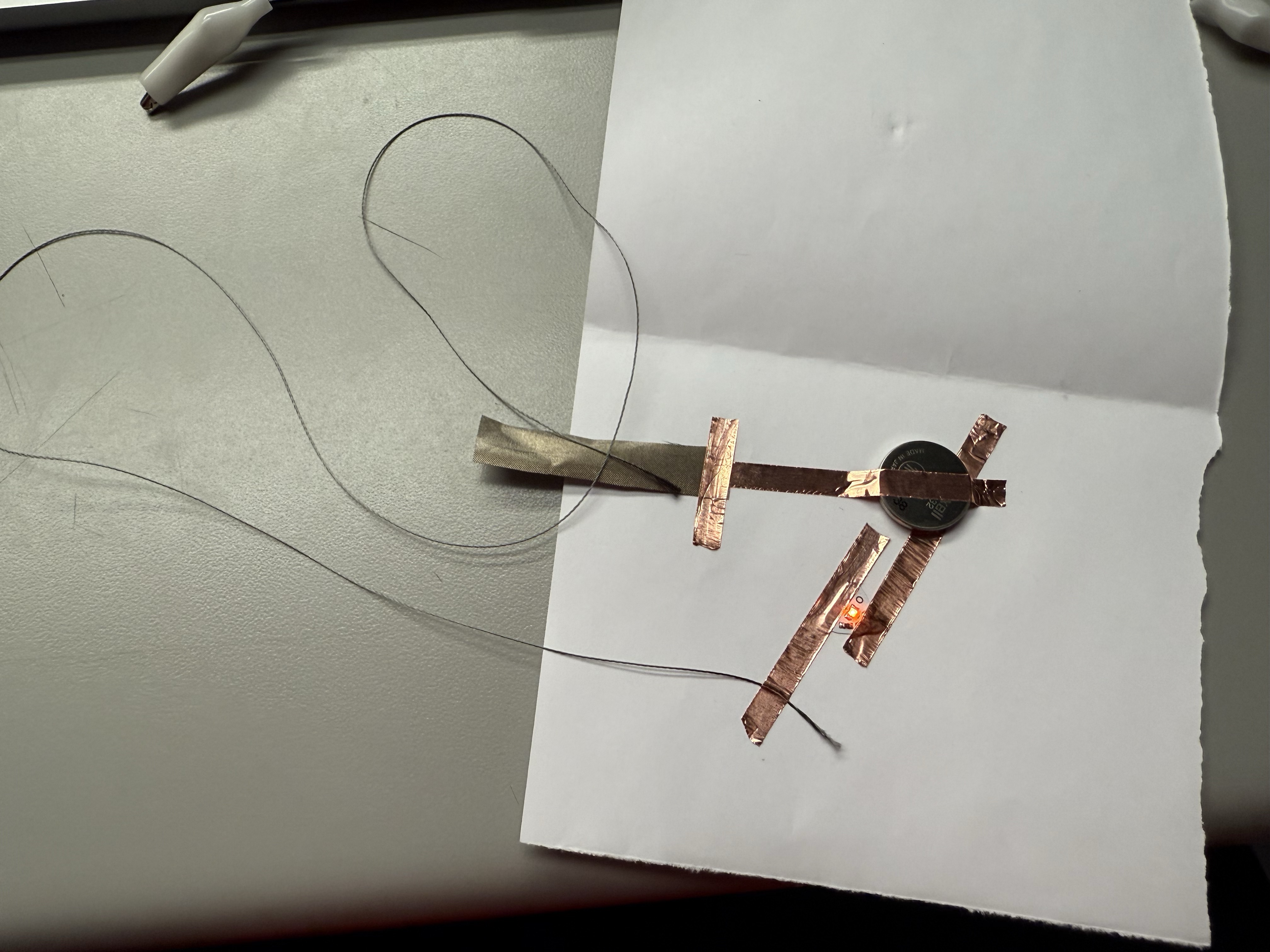
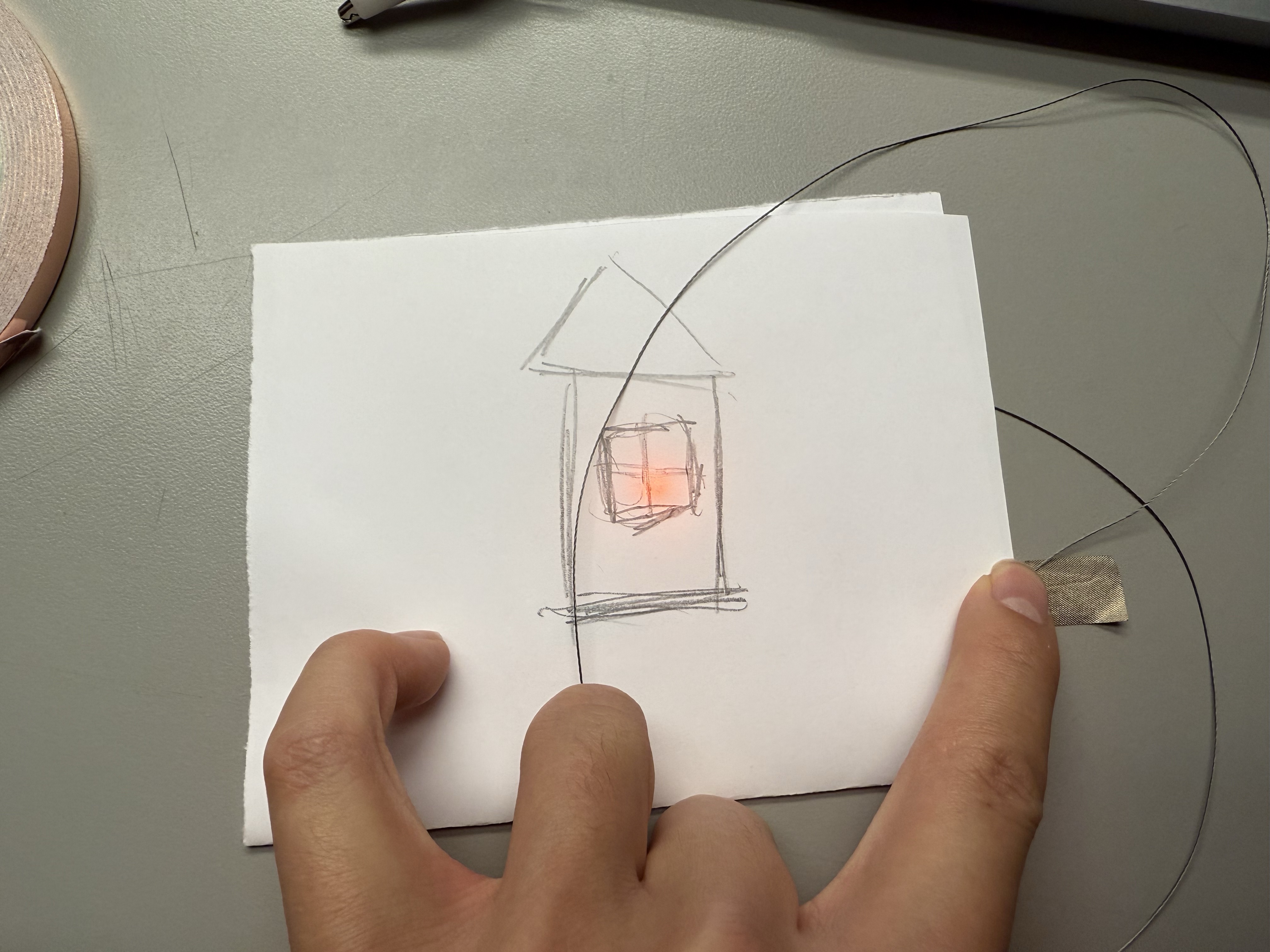
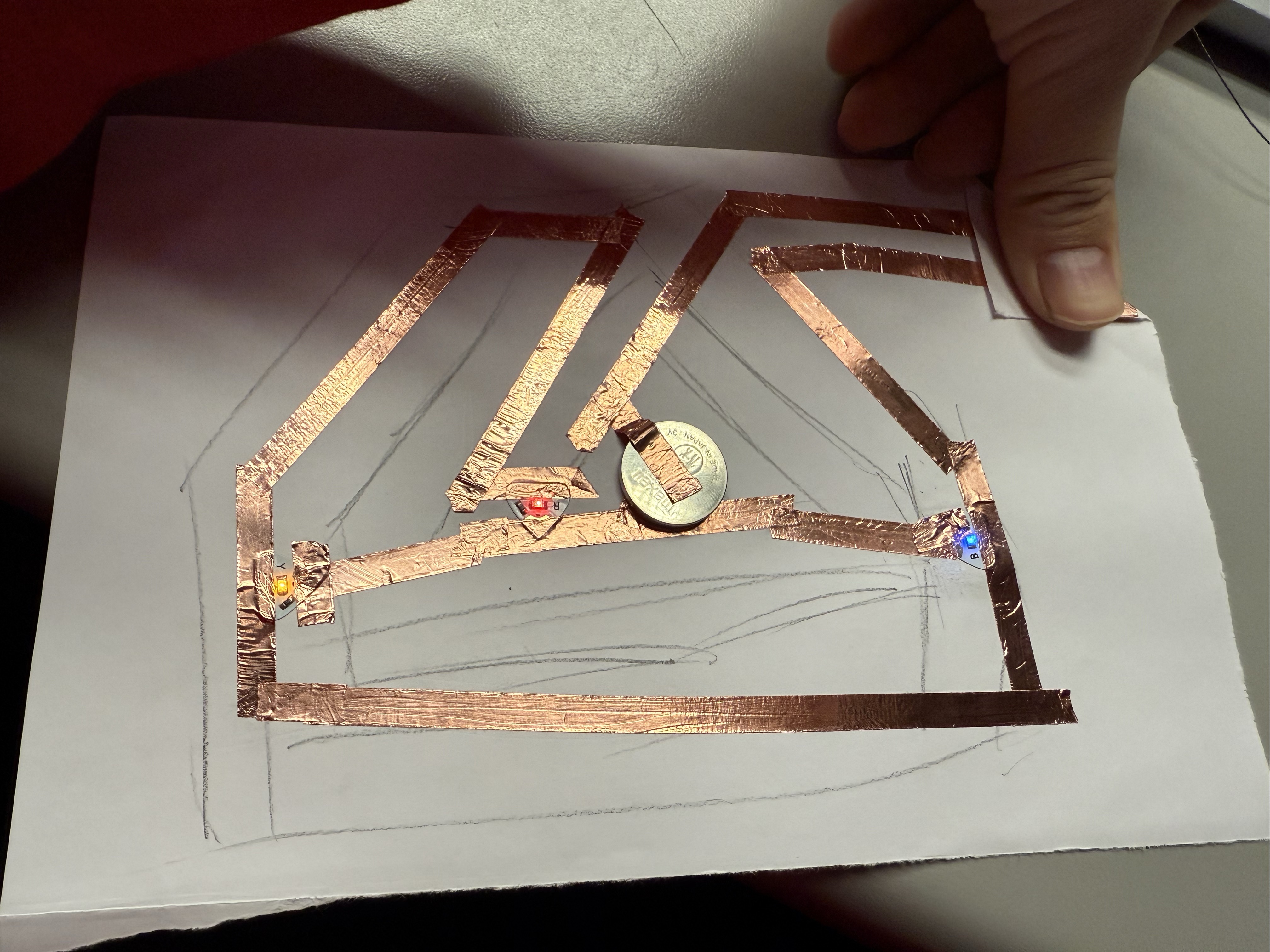
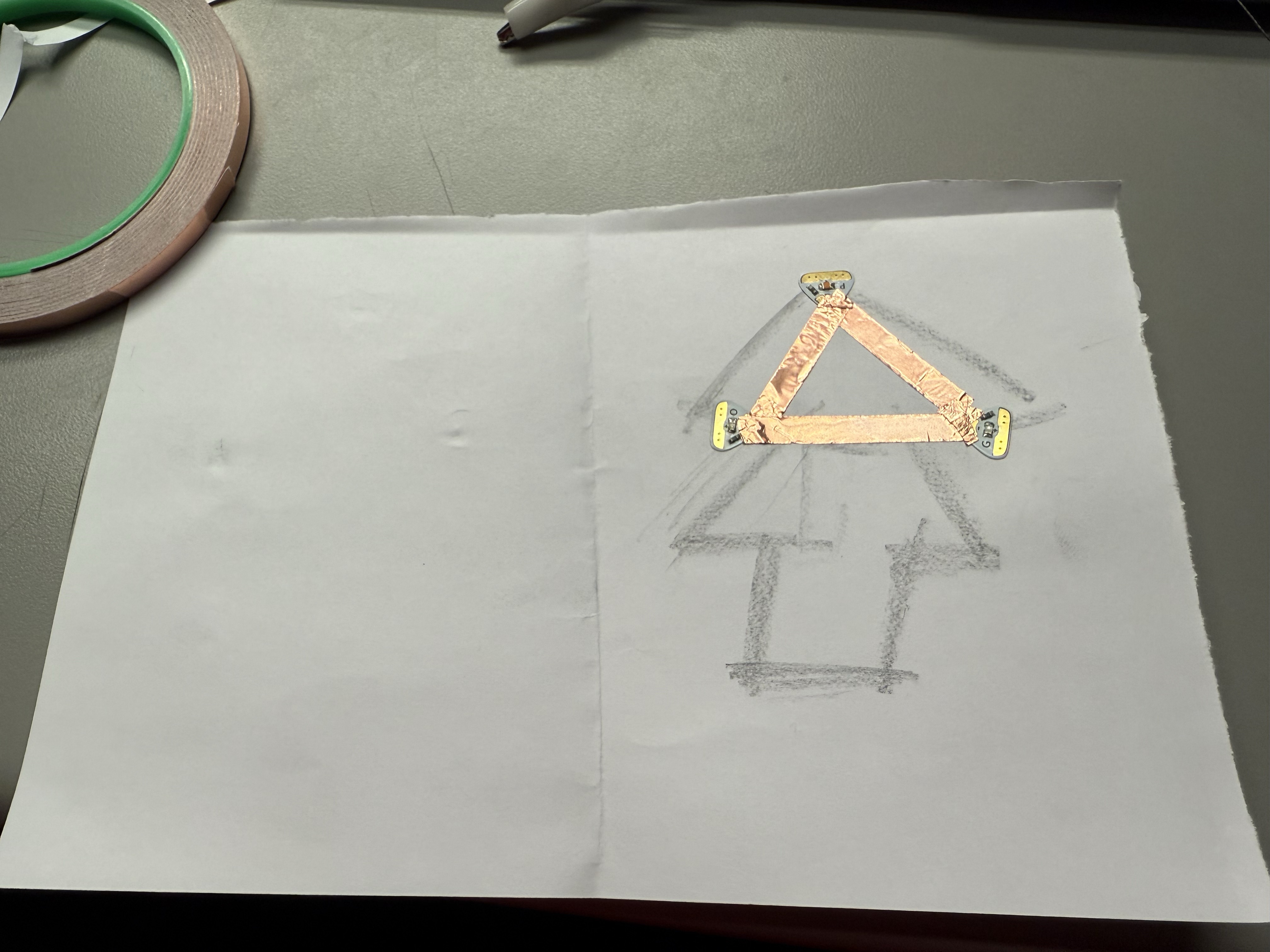
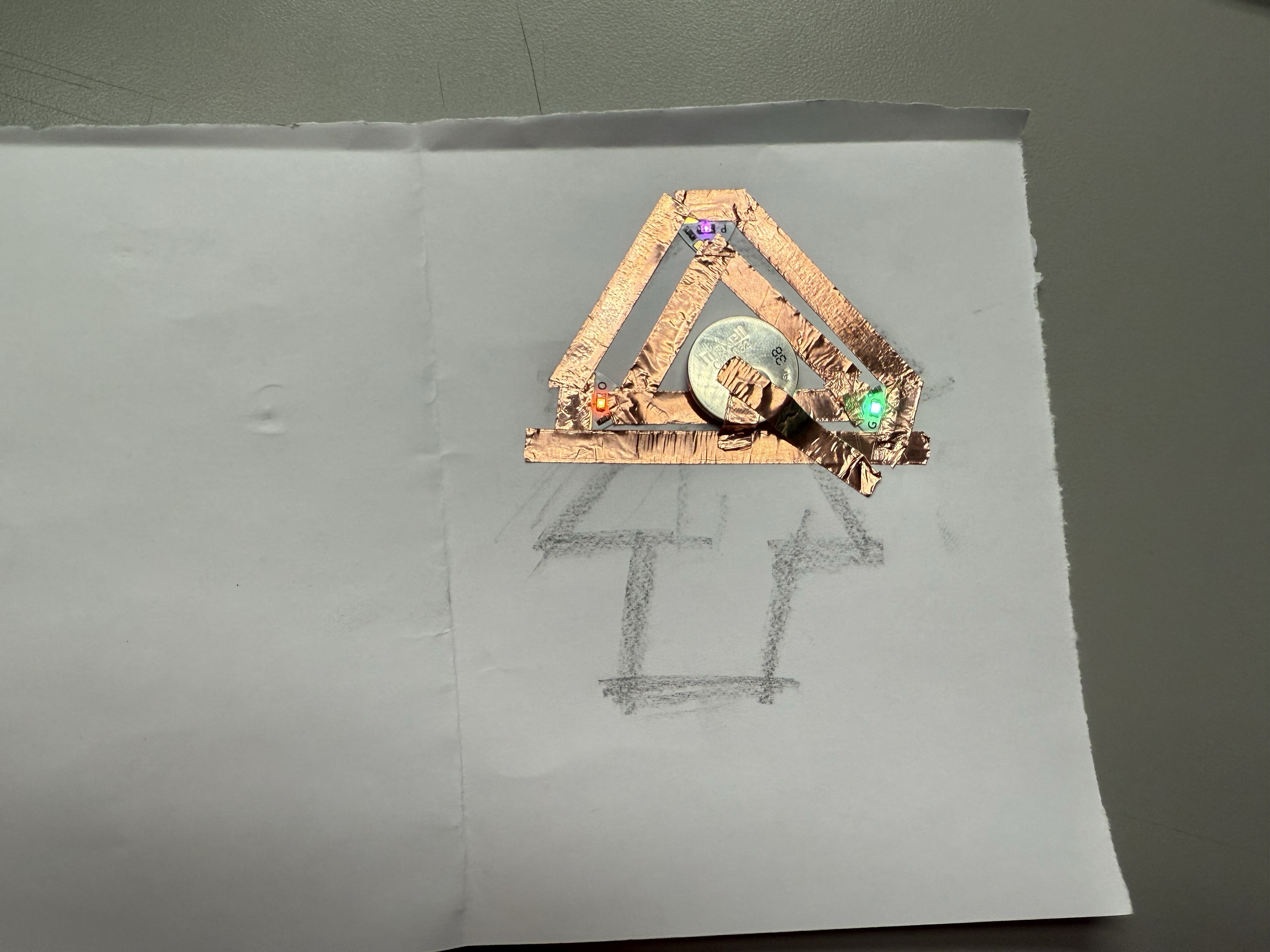
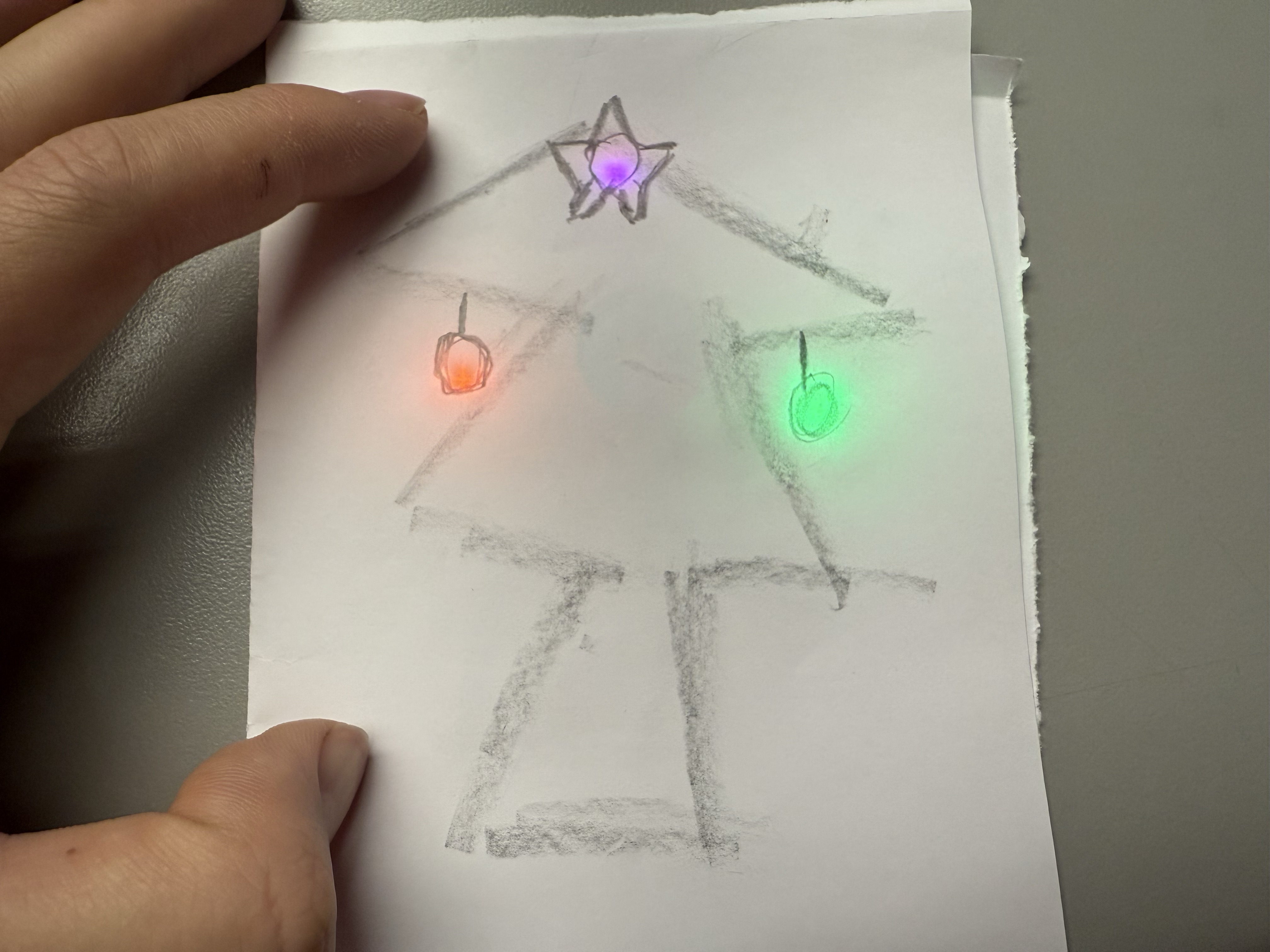
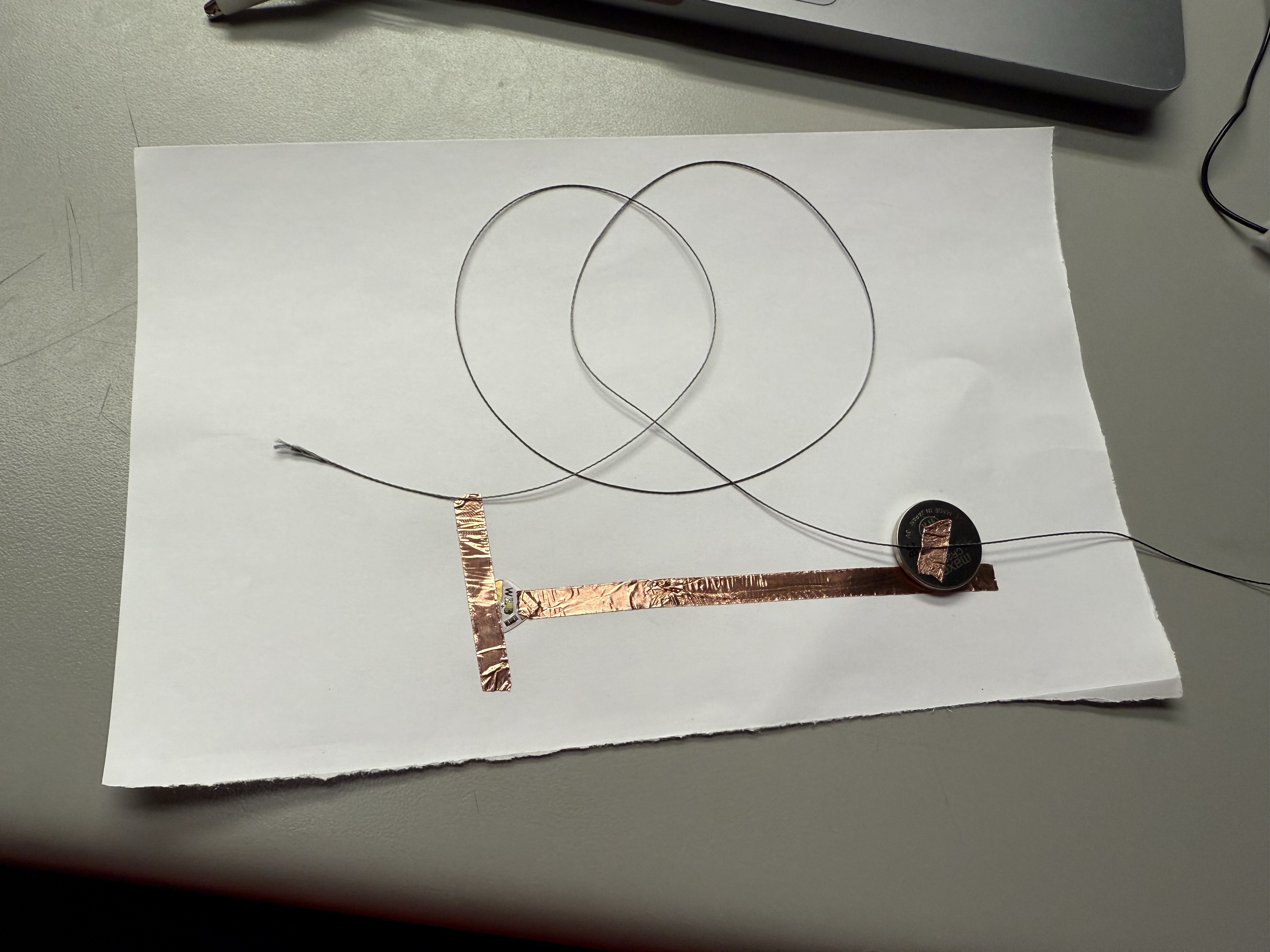
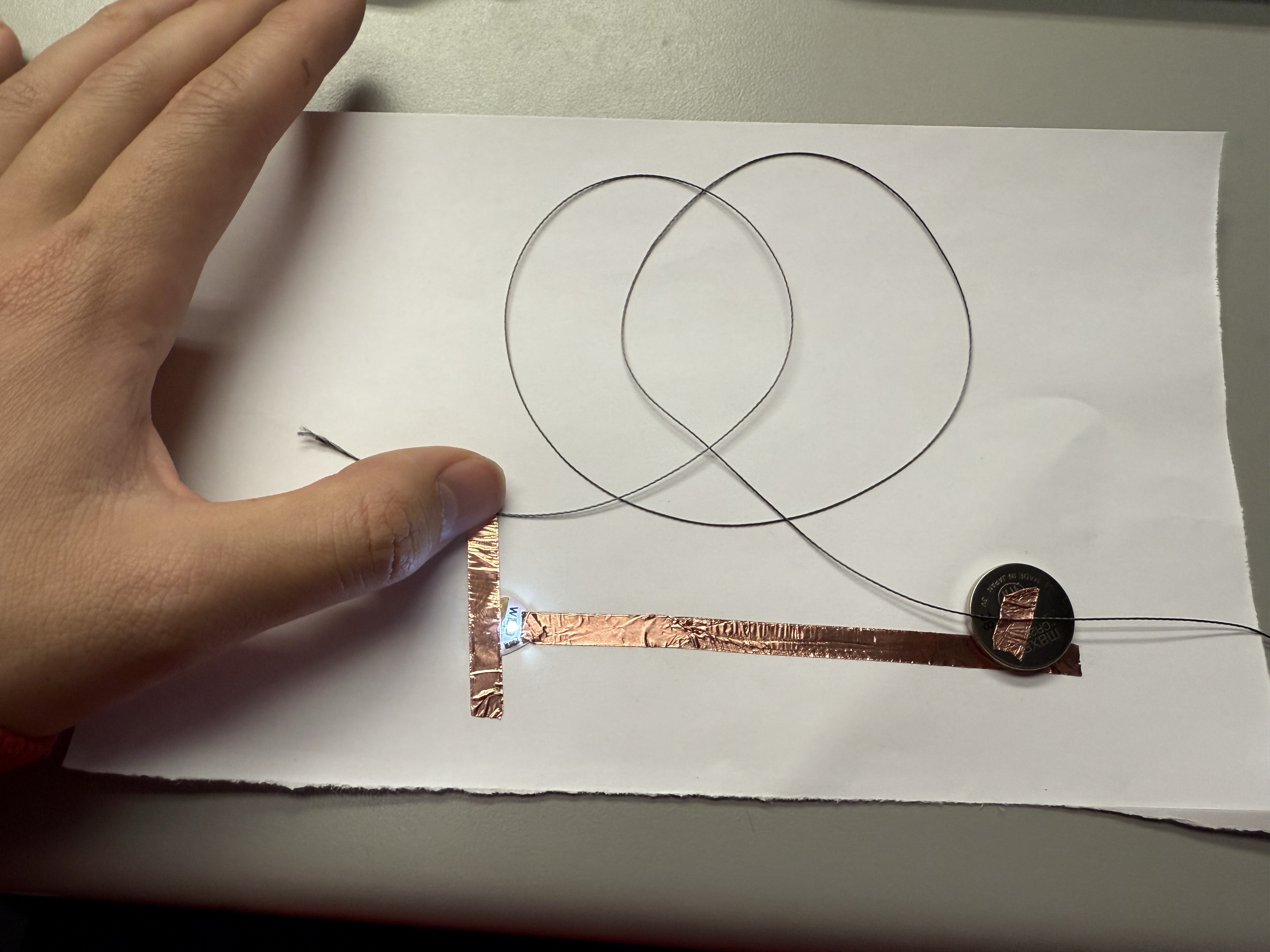
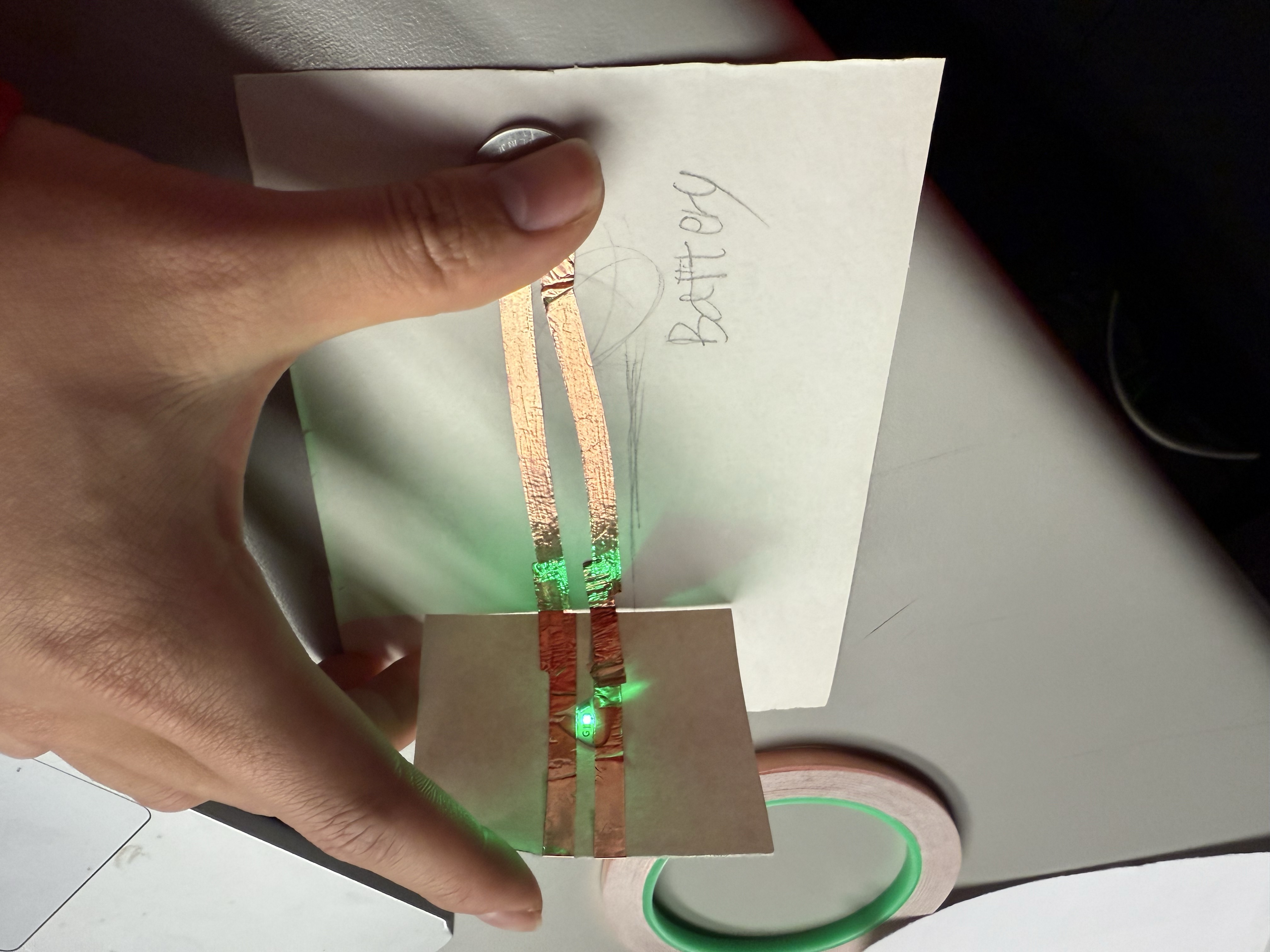
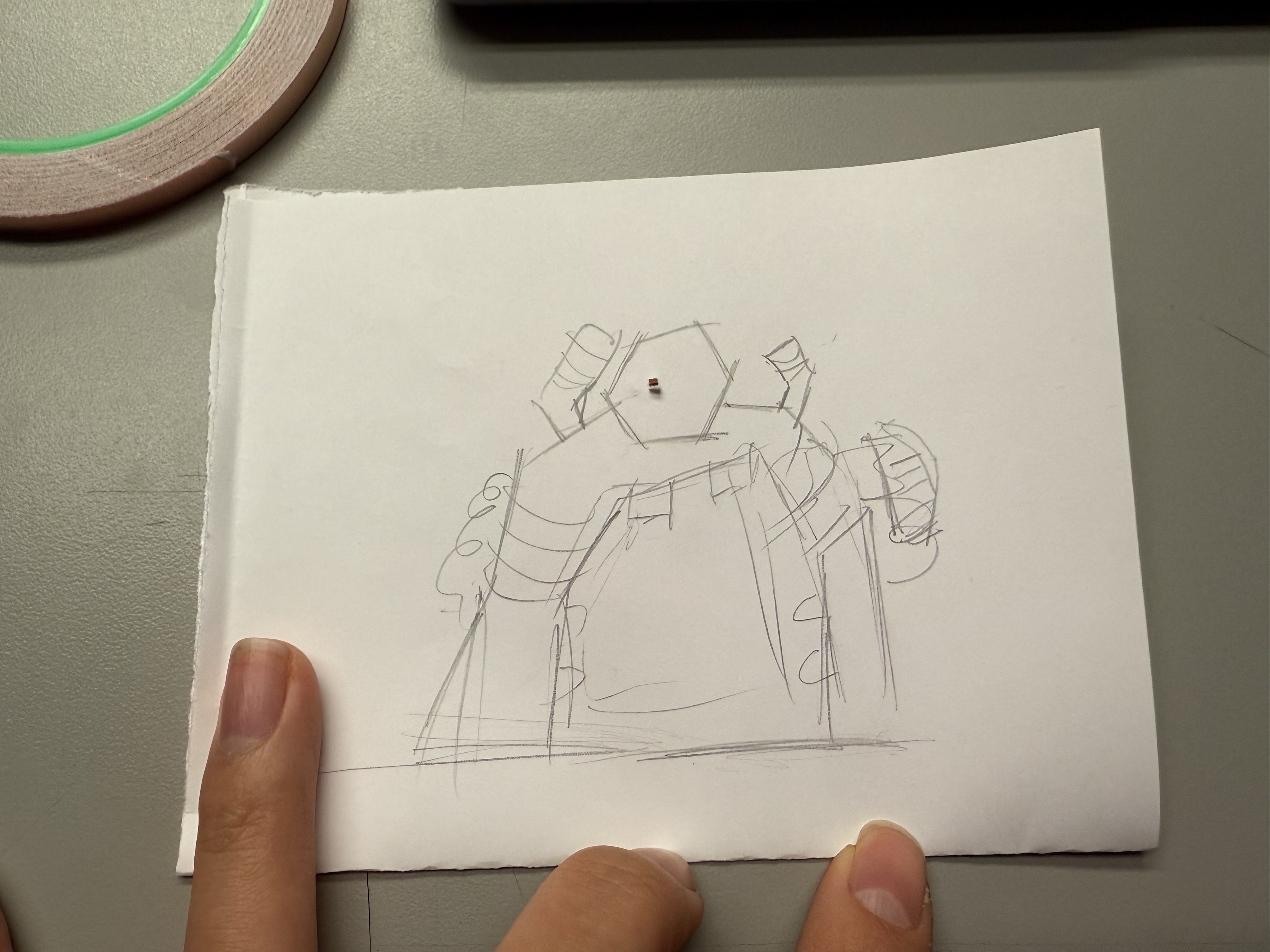
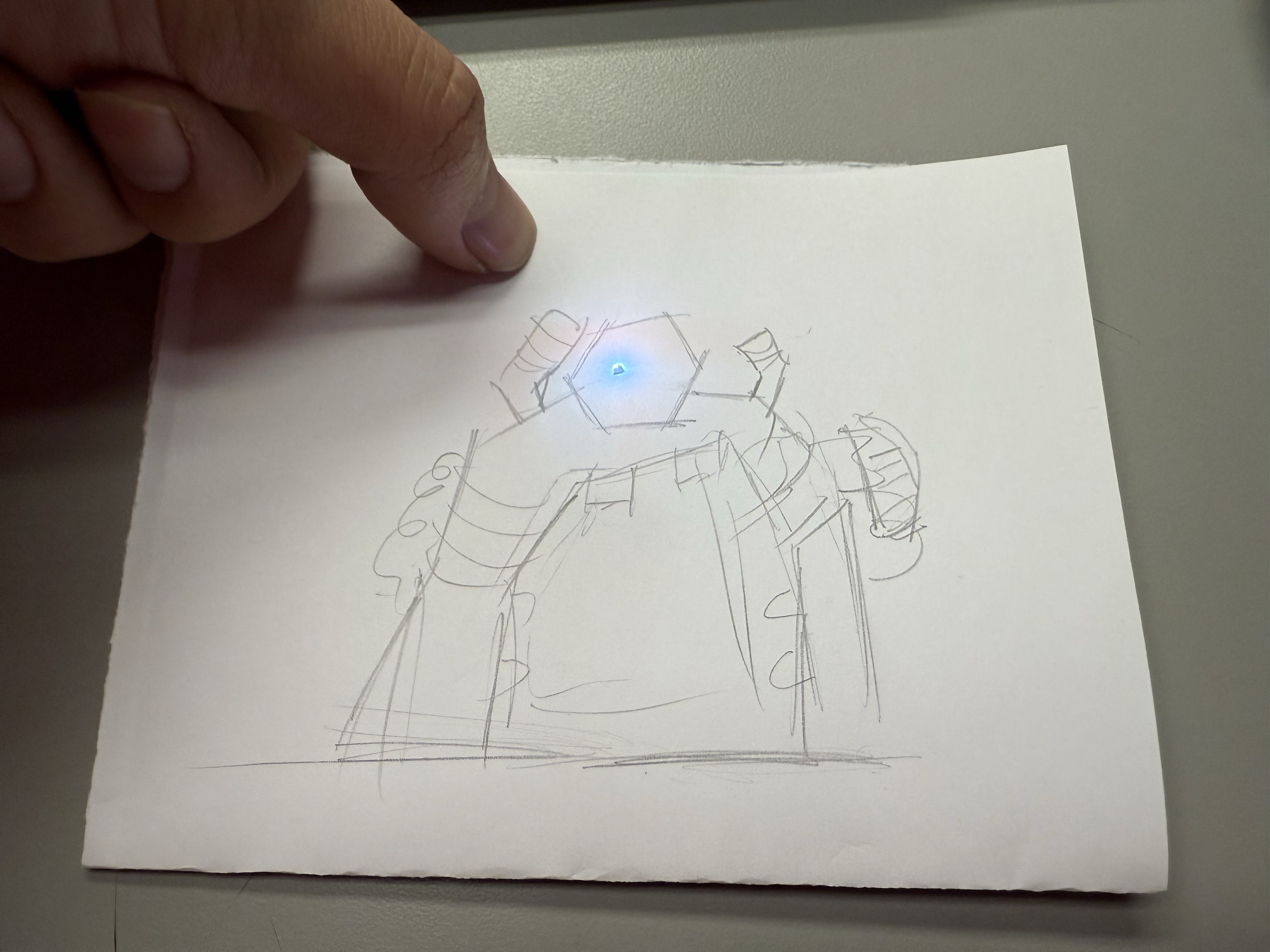
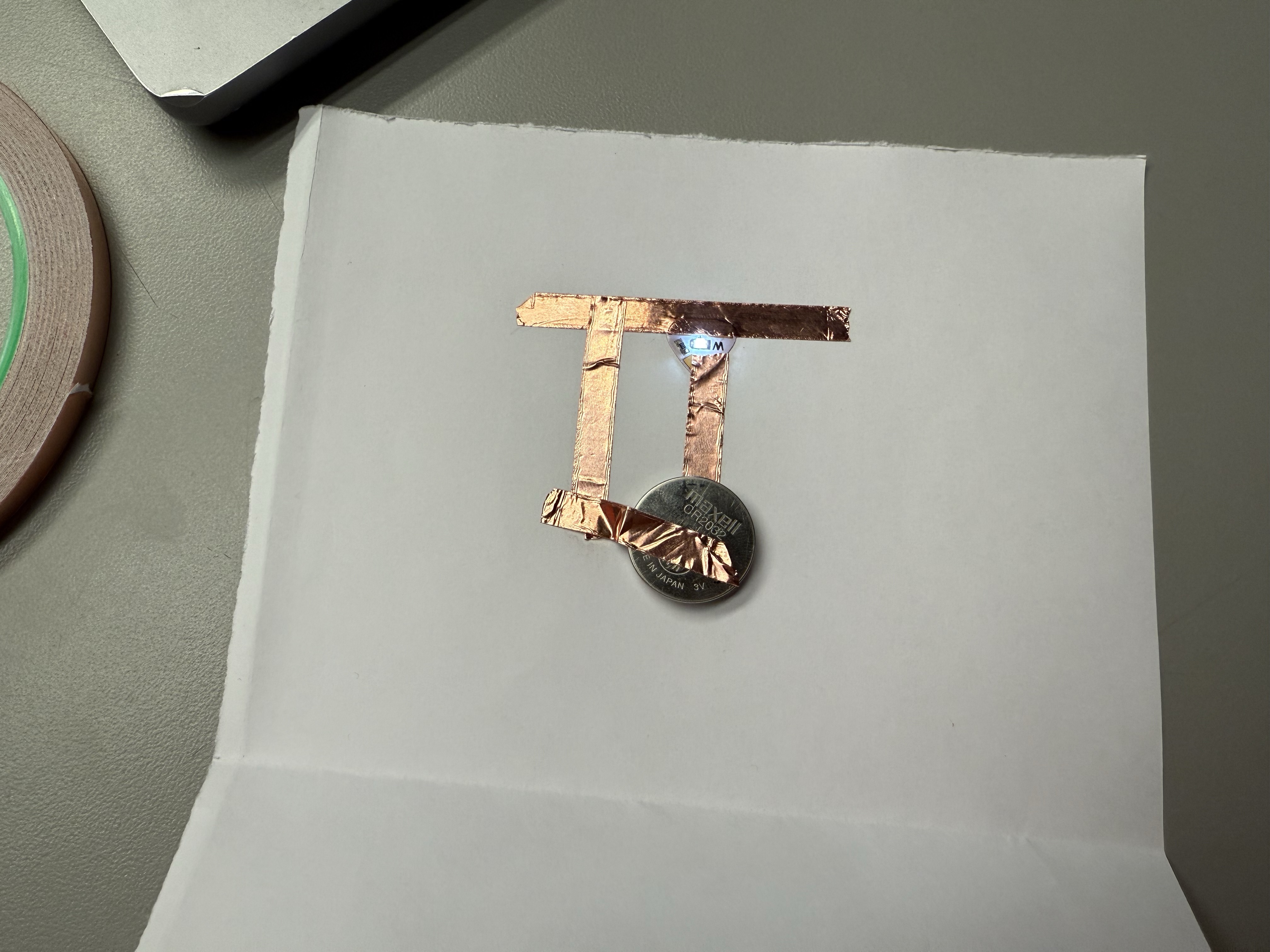
I focused mainly on using copper tape for my designs, but I also took the opportunity to try out conductive thread and fabric. There were definitely some challenges in getting everything to connect properly, but overall, it was a good experience filled with learning through trial and error.

Activity 1
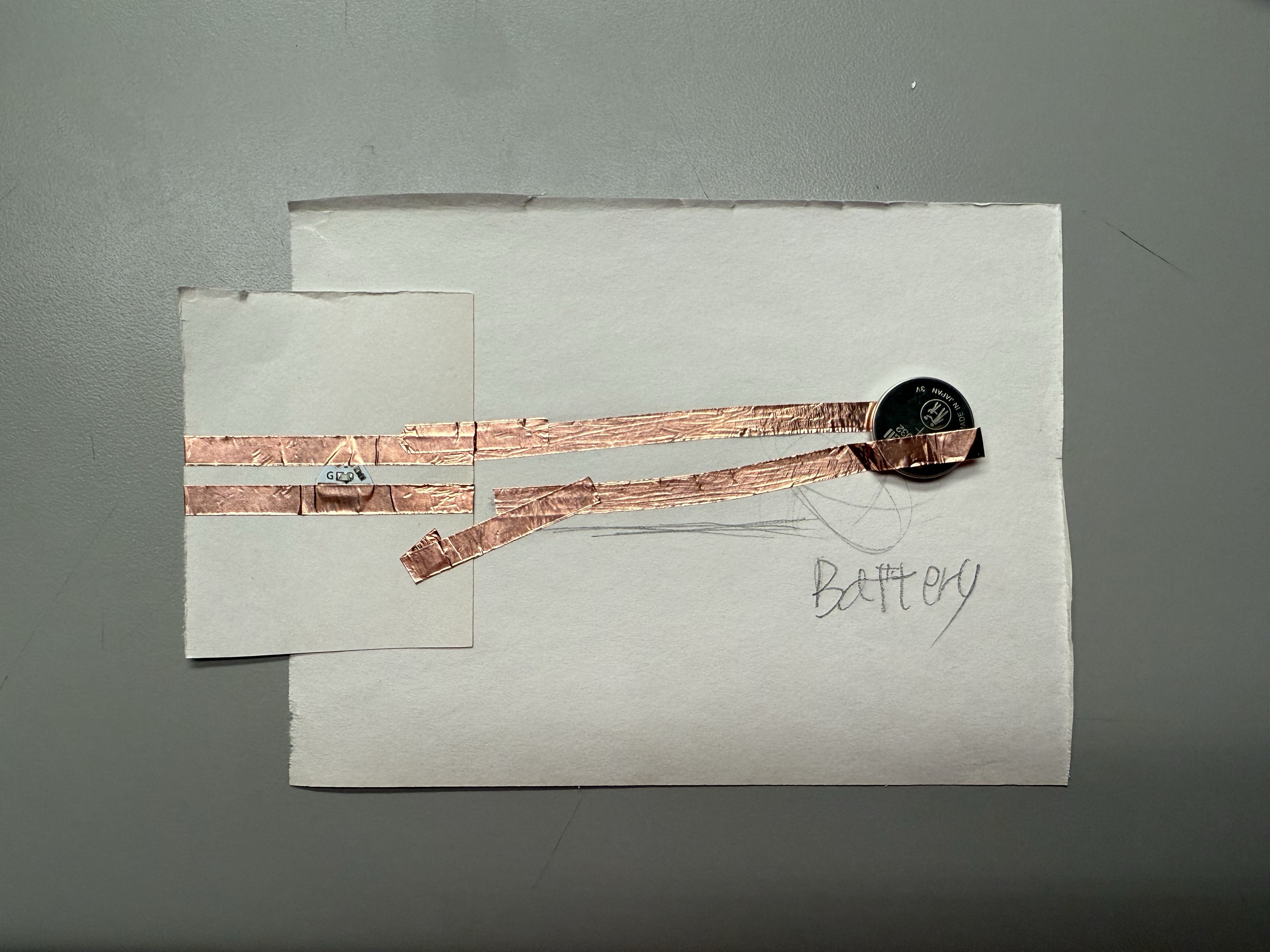
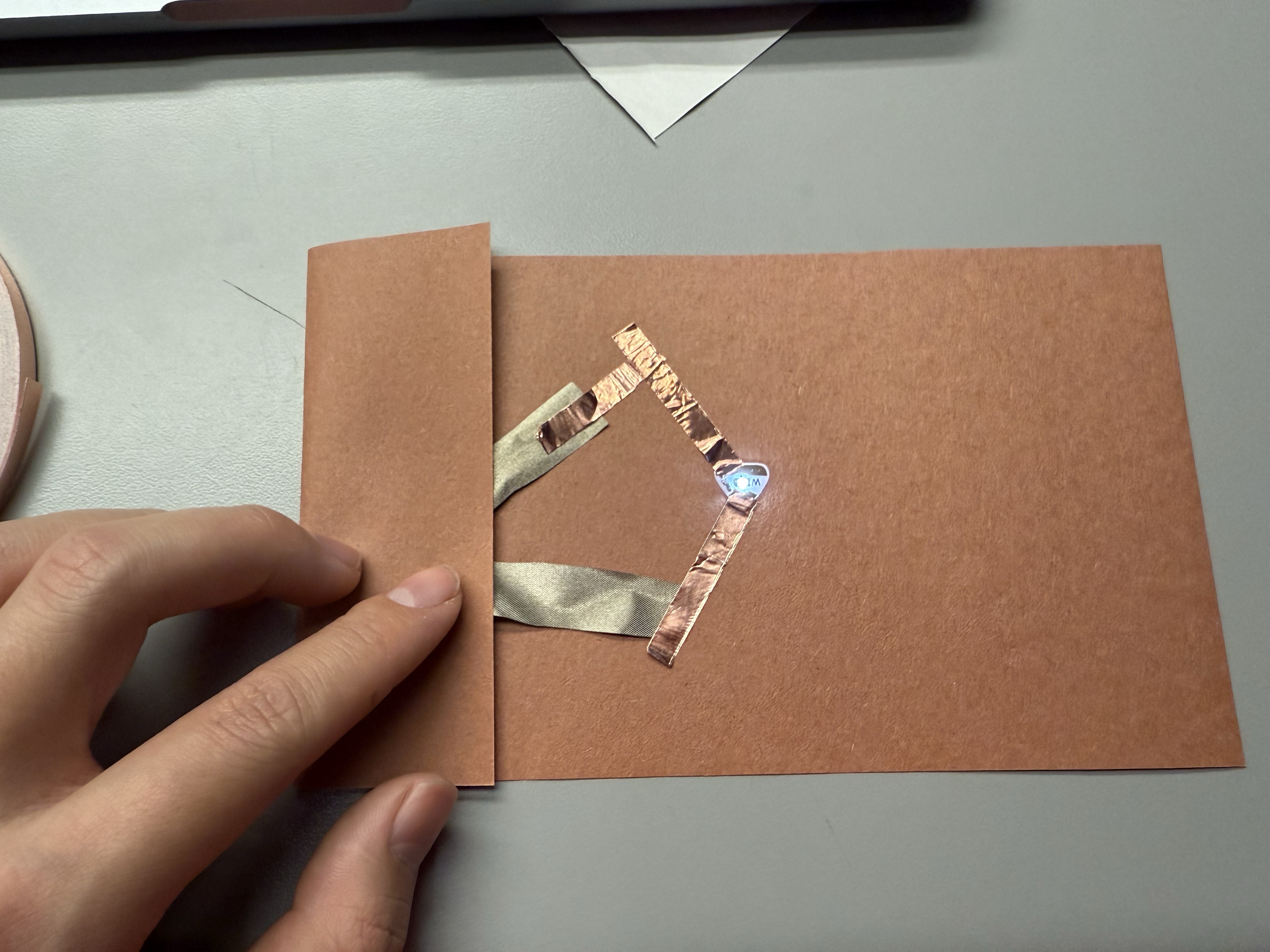
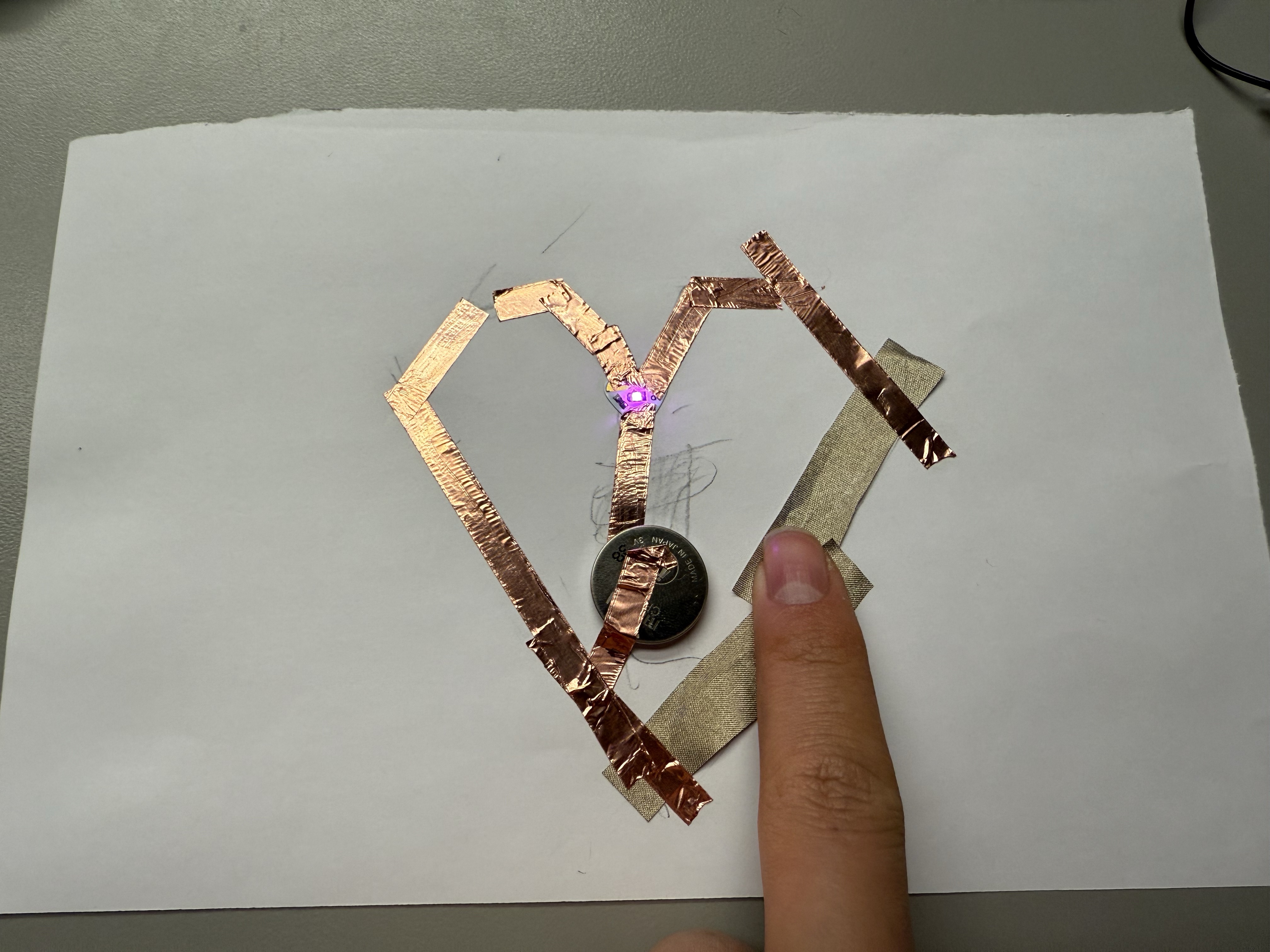
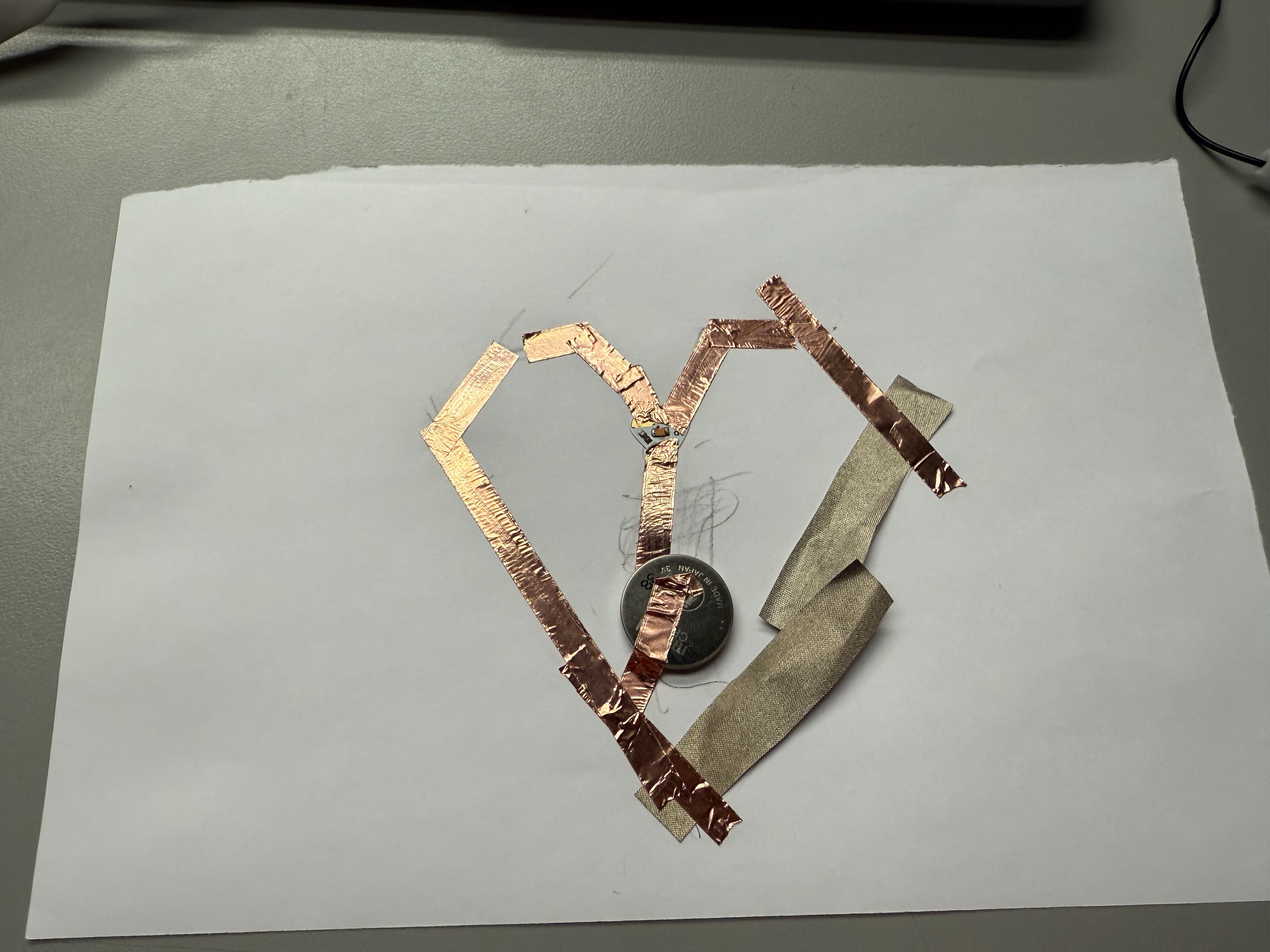
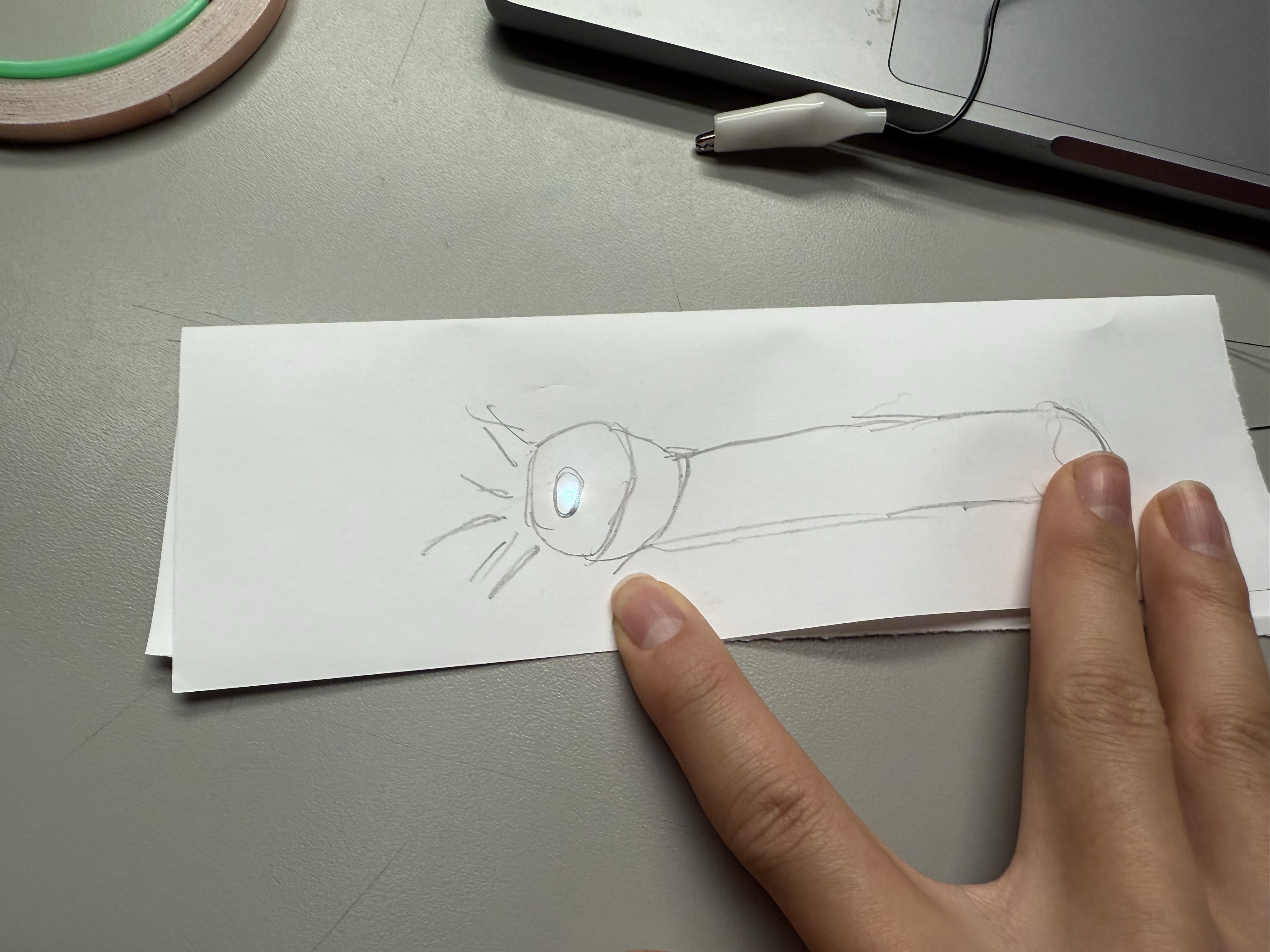
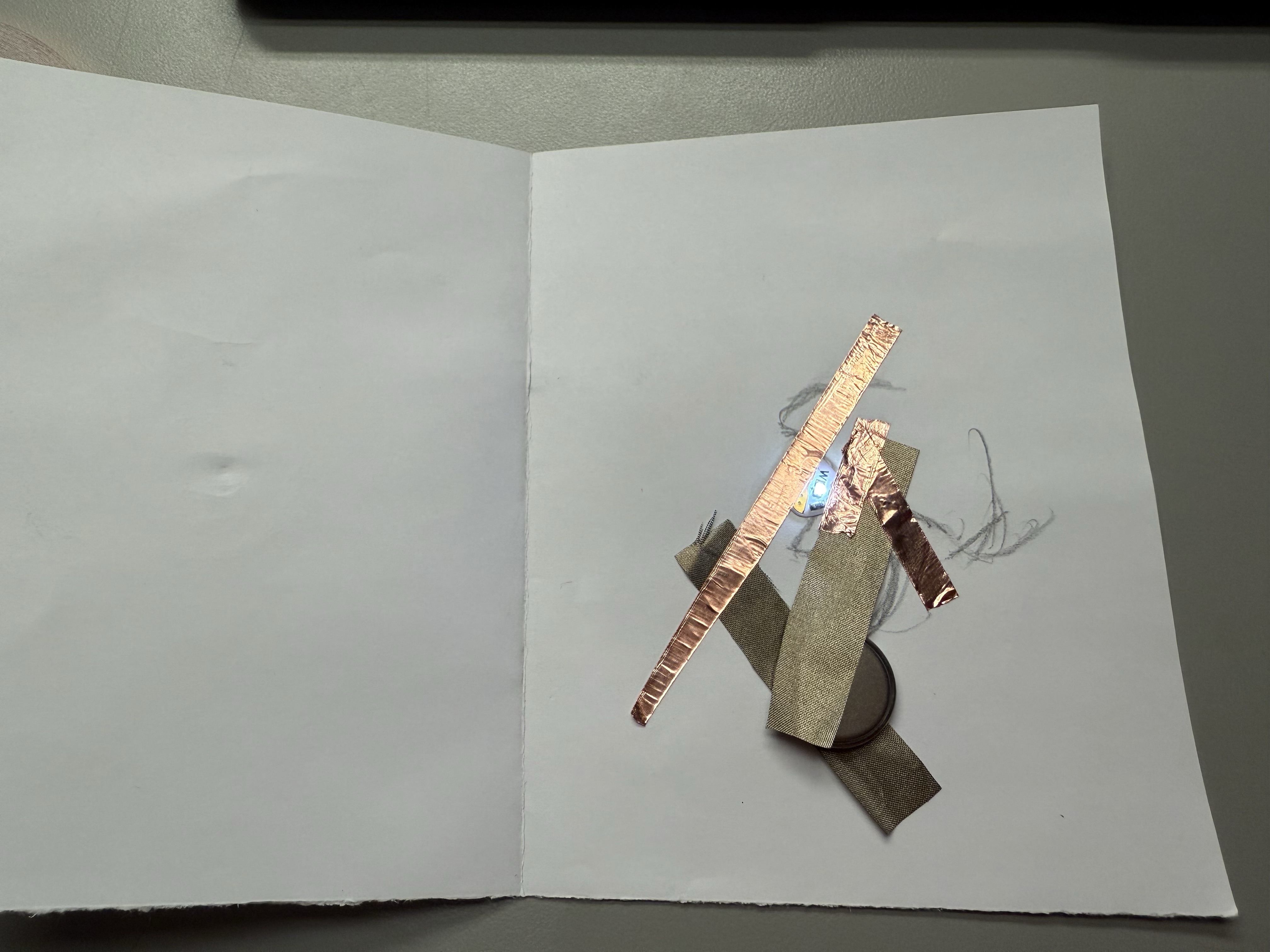
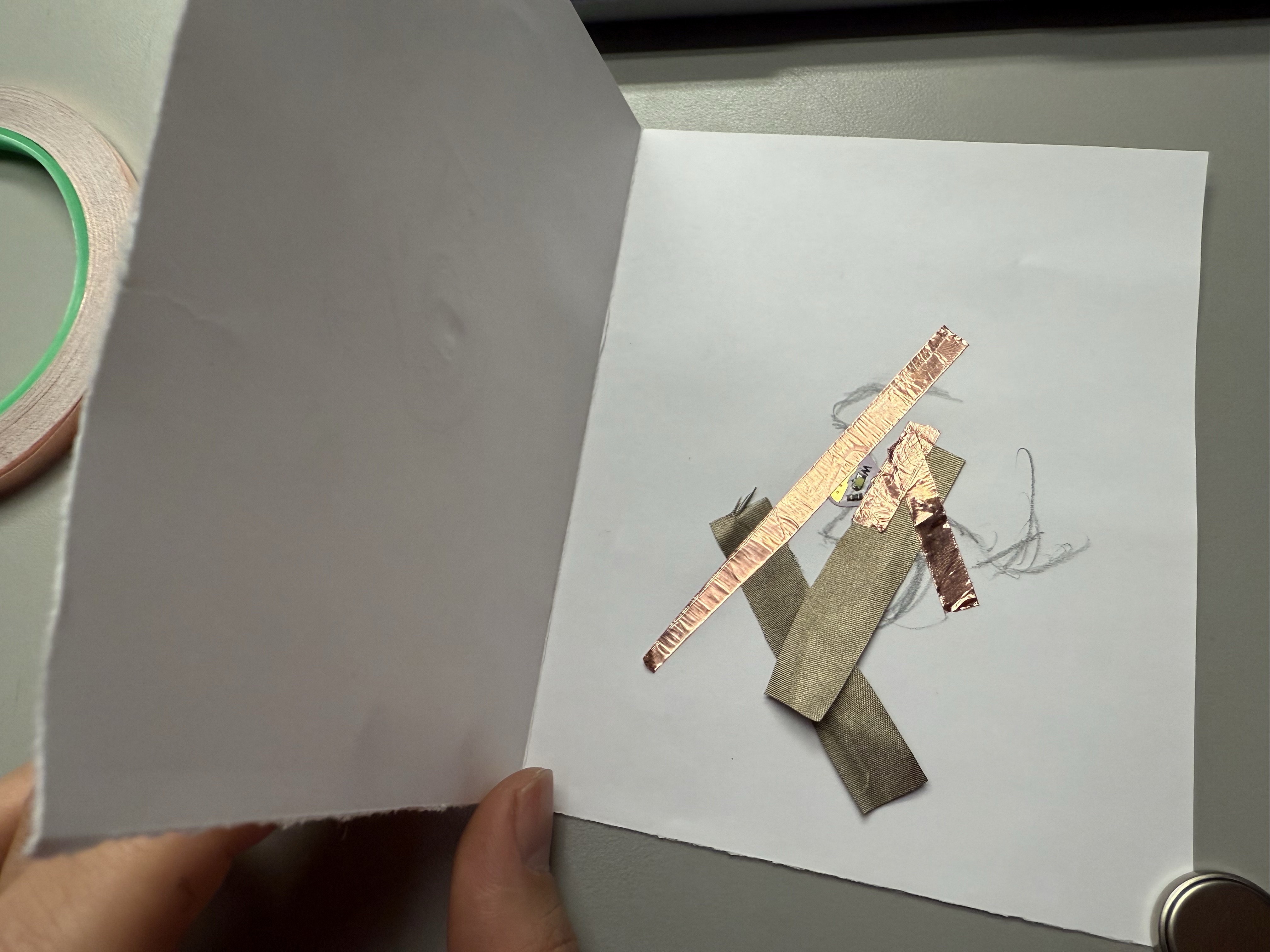
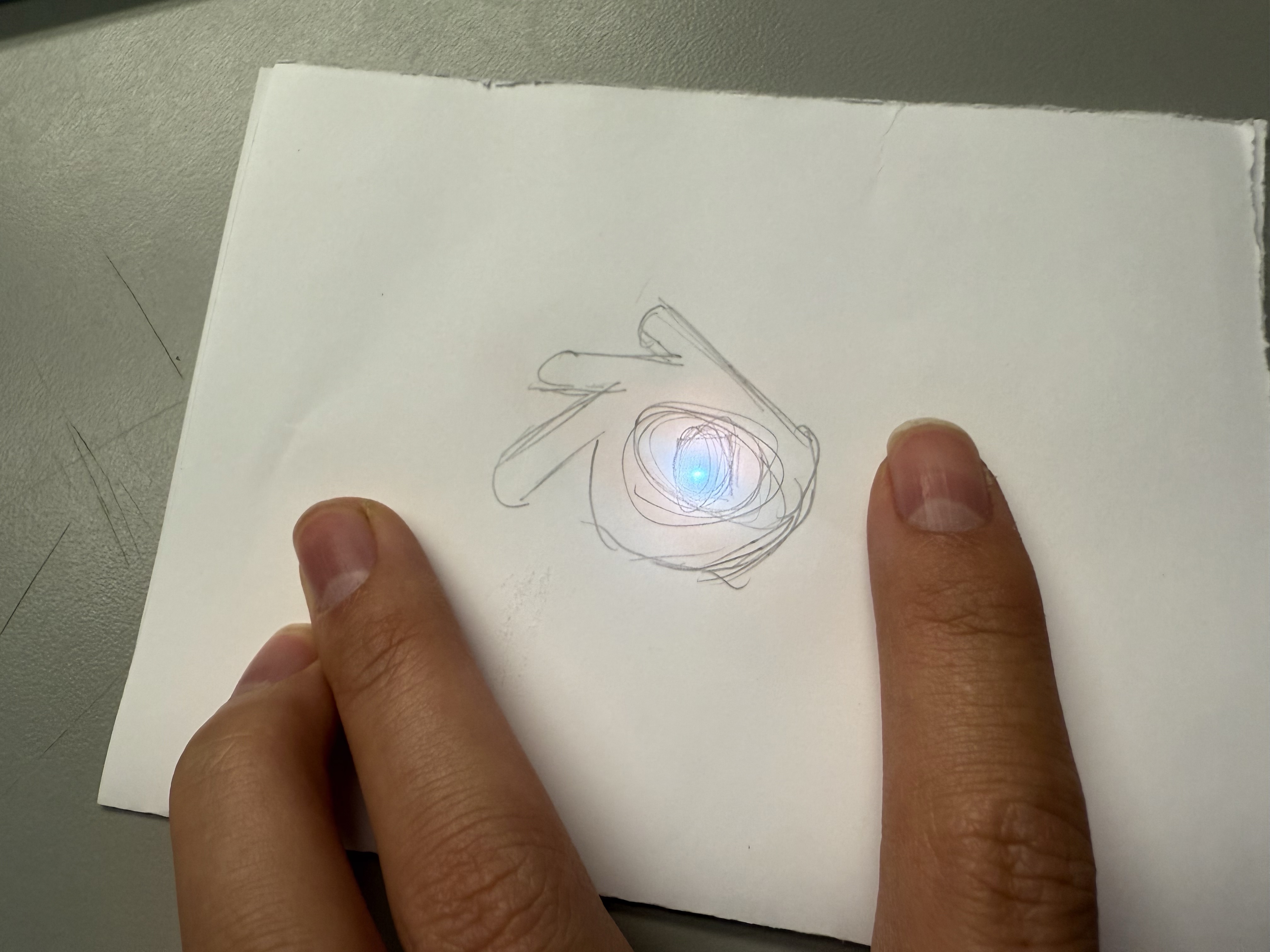
Close-up of a simple circuit made with copper tape and an LED sticker. Demonstration of connecting a coin battery to light up an LED sticker. Example of a completed circuit using copper tape and basic electronics. Using copper tape to create a conductive path for an LED circuit. A hands-on project with copper tape+Conductive fabric and LED stickers arranged creatively. Illustration of a simple electronic circuit made with coin batteries. LED stickers glowing as part of a heart circuit. Detailed view of copper tape connections in a led heart circuit. Step-by-step assembly of a small circuit using copper tape+Conductive thread and fabric and LEDs. Detailed view of copper tape+Conductive thread and fabric connections in a circuit. Home have a led back on as a window. LED stickers in various colors connected with copper tape paths. Experimenting progress with copper tape and LEDs. Completed showing a simple light-up circuit. Using copper tape to create chrismas tree designs. Close-up of a copper tape+Conductive thread circuit and a coin battery. Close-up of a copper tape+Conductive thread circuit powered by a coin battery. Layered touch like design of copper tape paths for a functioning circuit. Exploring the use of LED stickers and copper tape+Conductive fabric. Innovative (for me) application of copper tape+Conductive fabric. blender icon with copper tape and glowing blue LED. Experiment with moveable LED placement in a copper tape circuit. Detailed view of a Printing Pod designed with LEDs off Detailed view of a Printing Pod designed with LEDs on. Finalized DIY circuit project with glowing LED stickers.

Activity 2
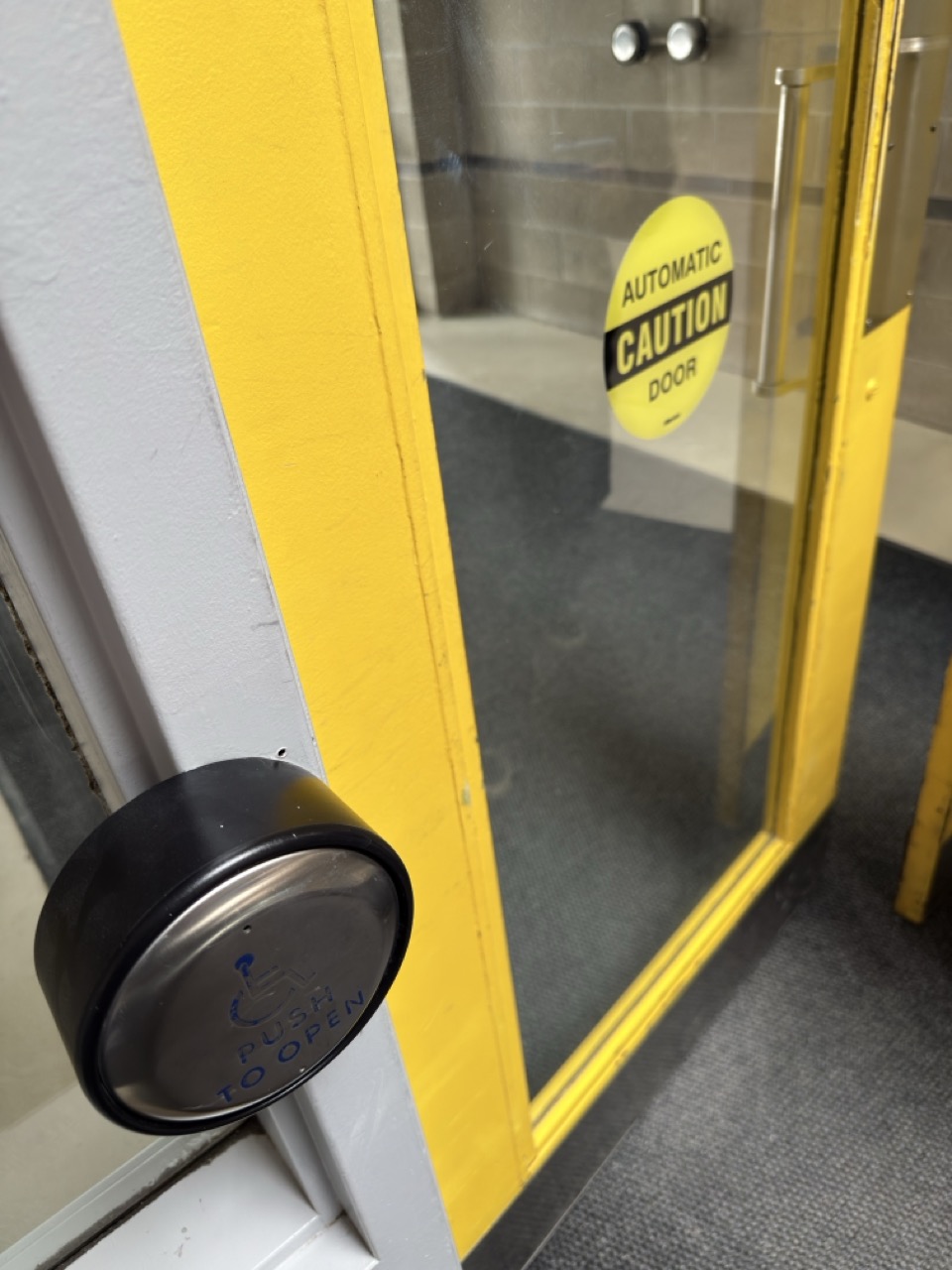
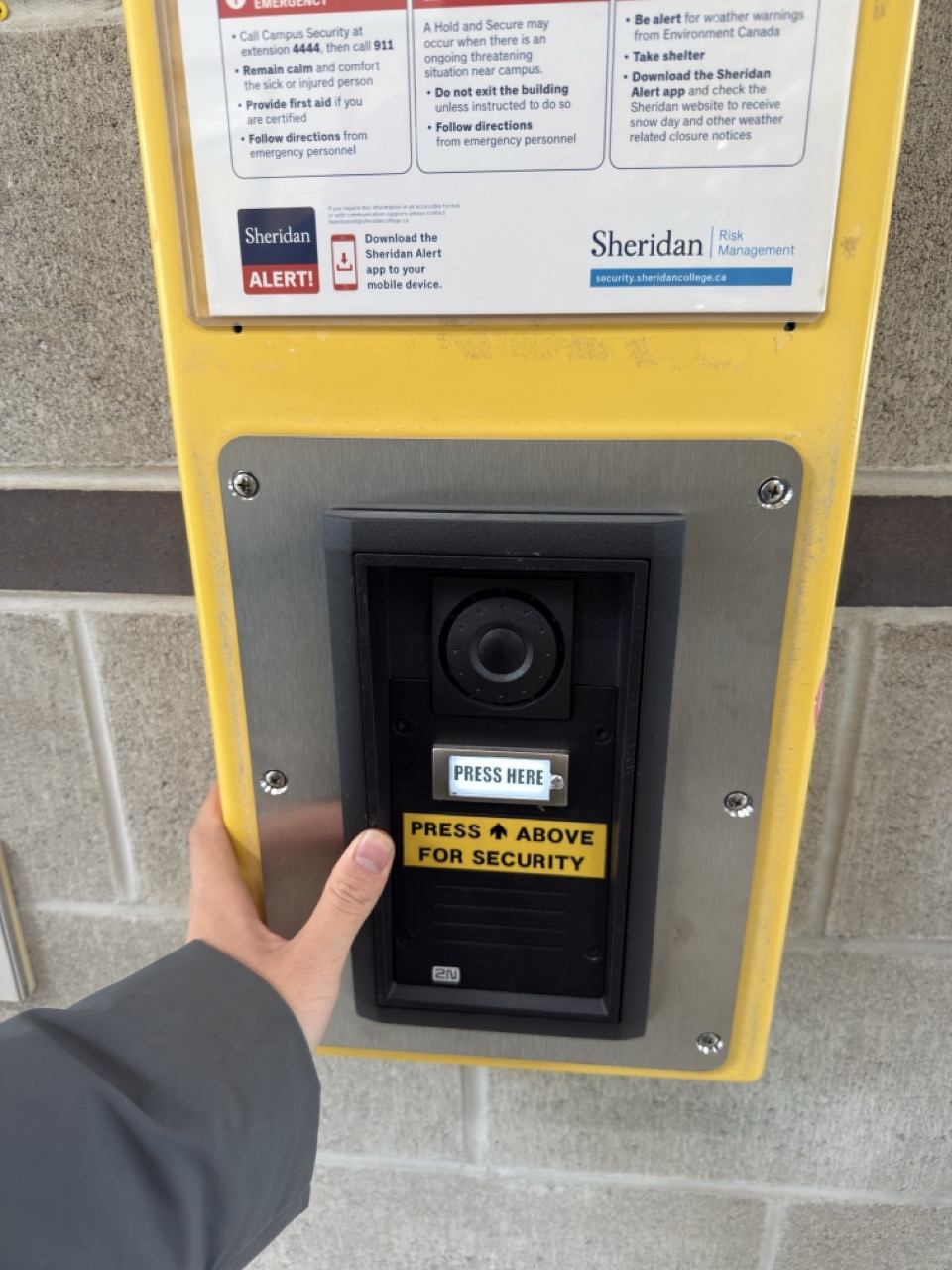
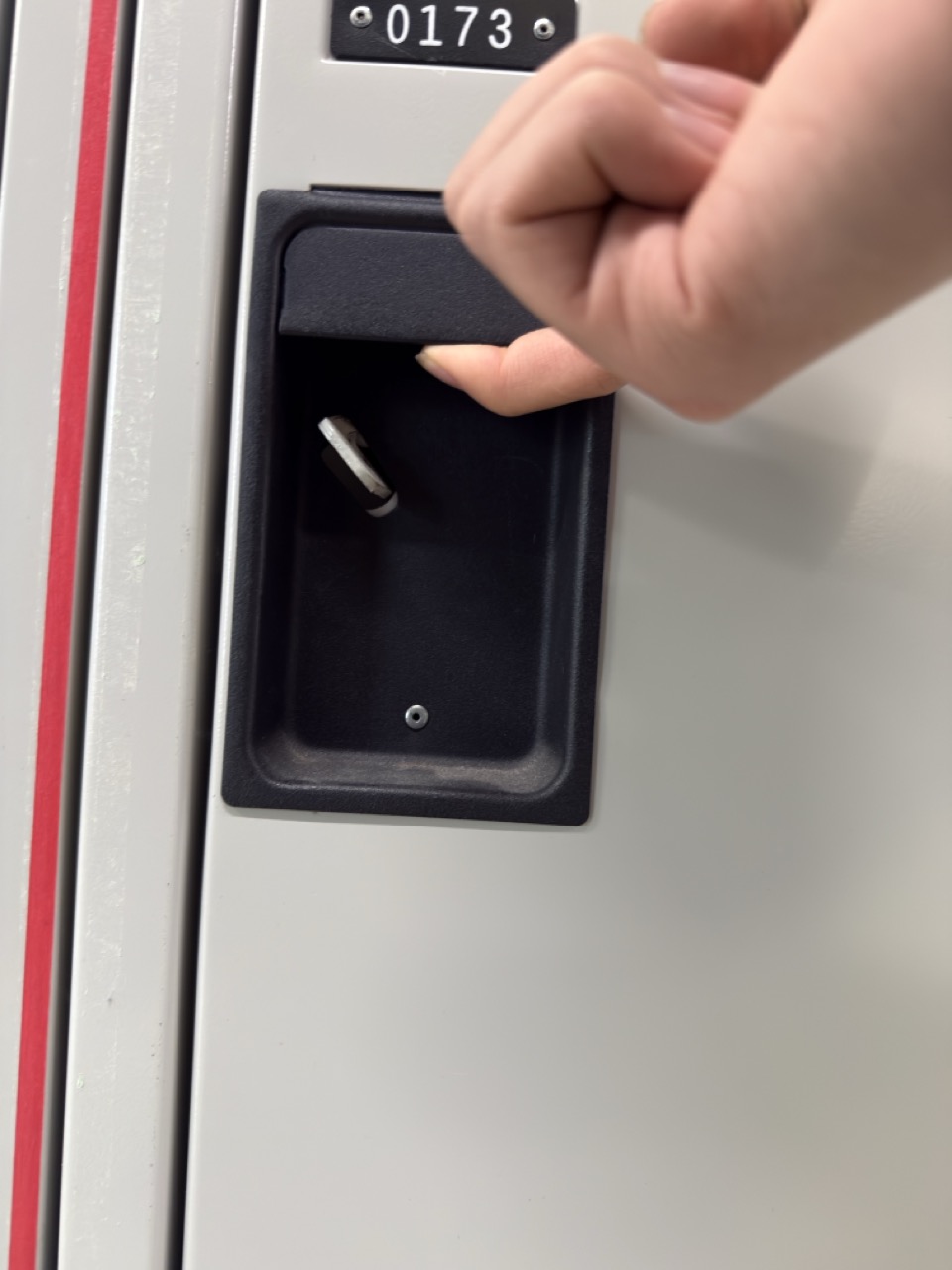
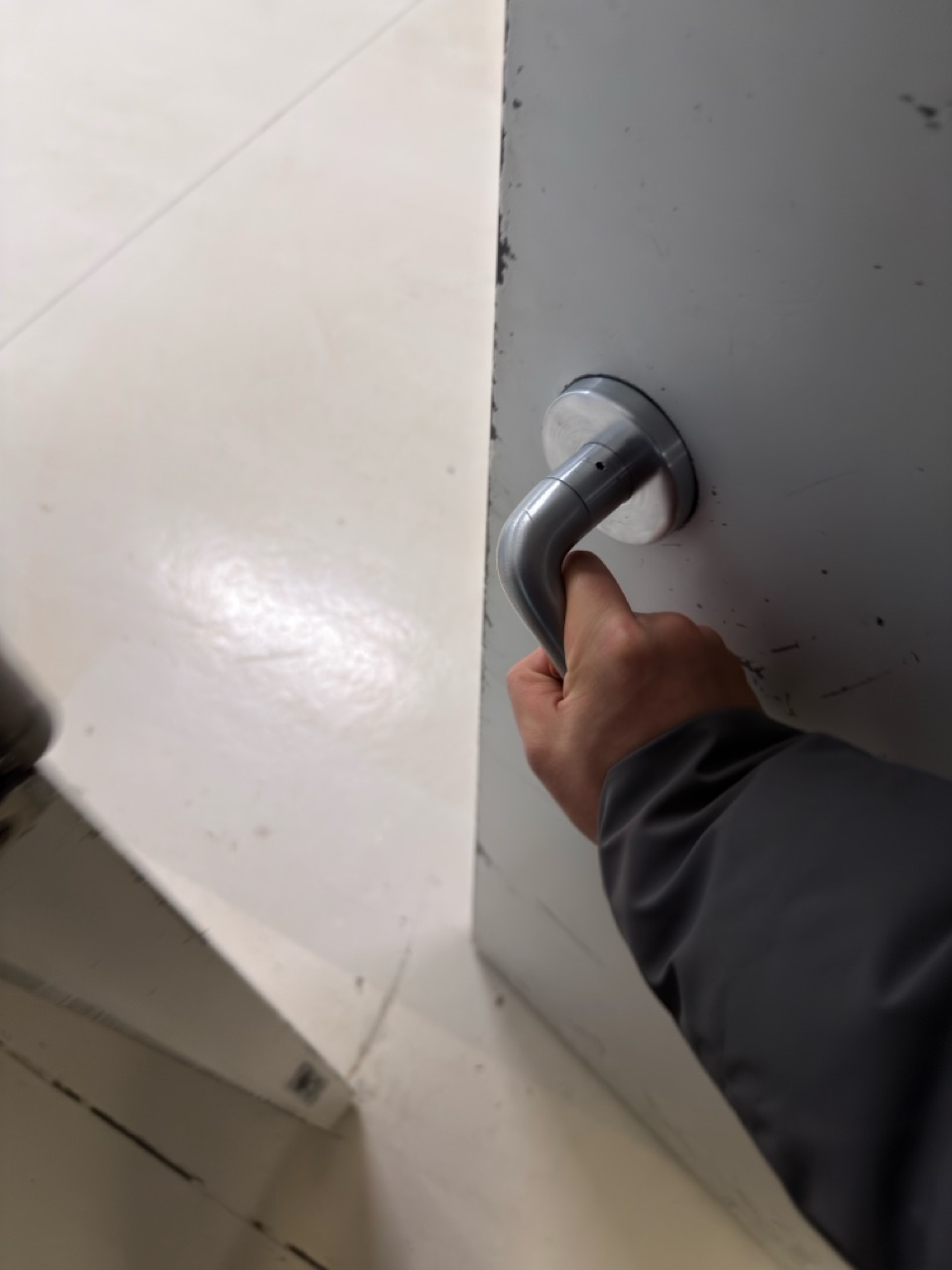
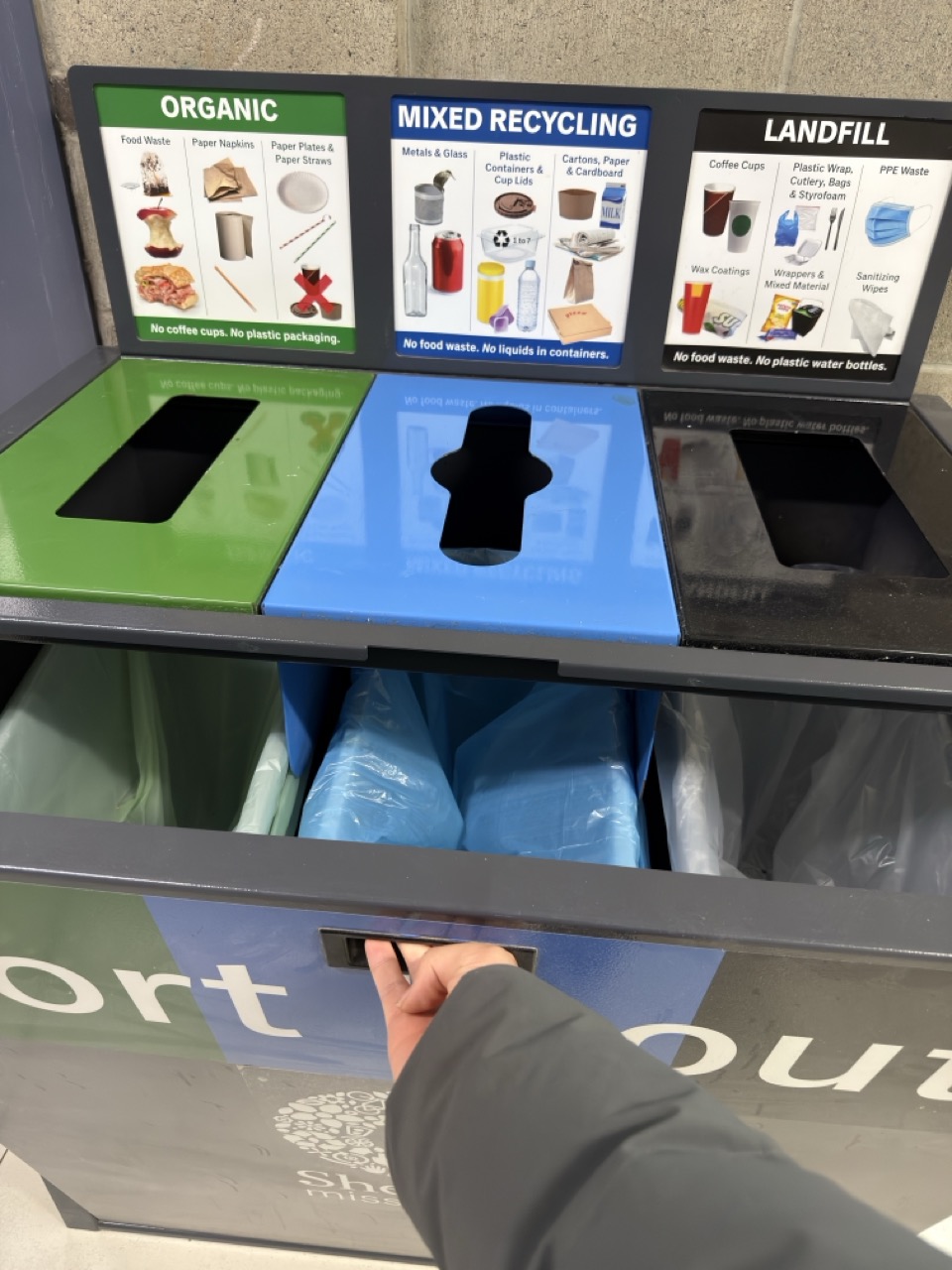
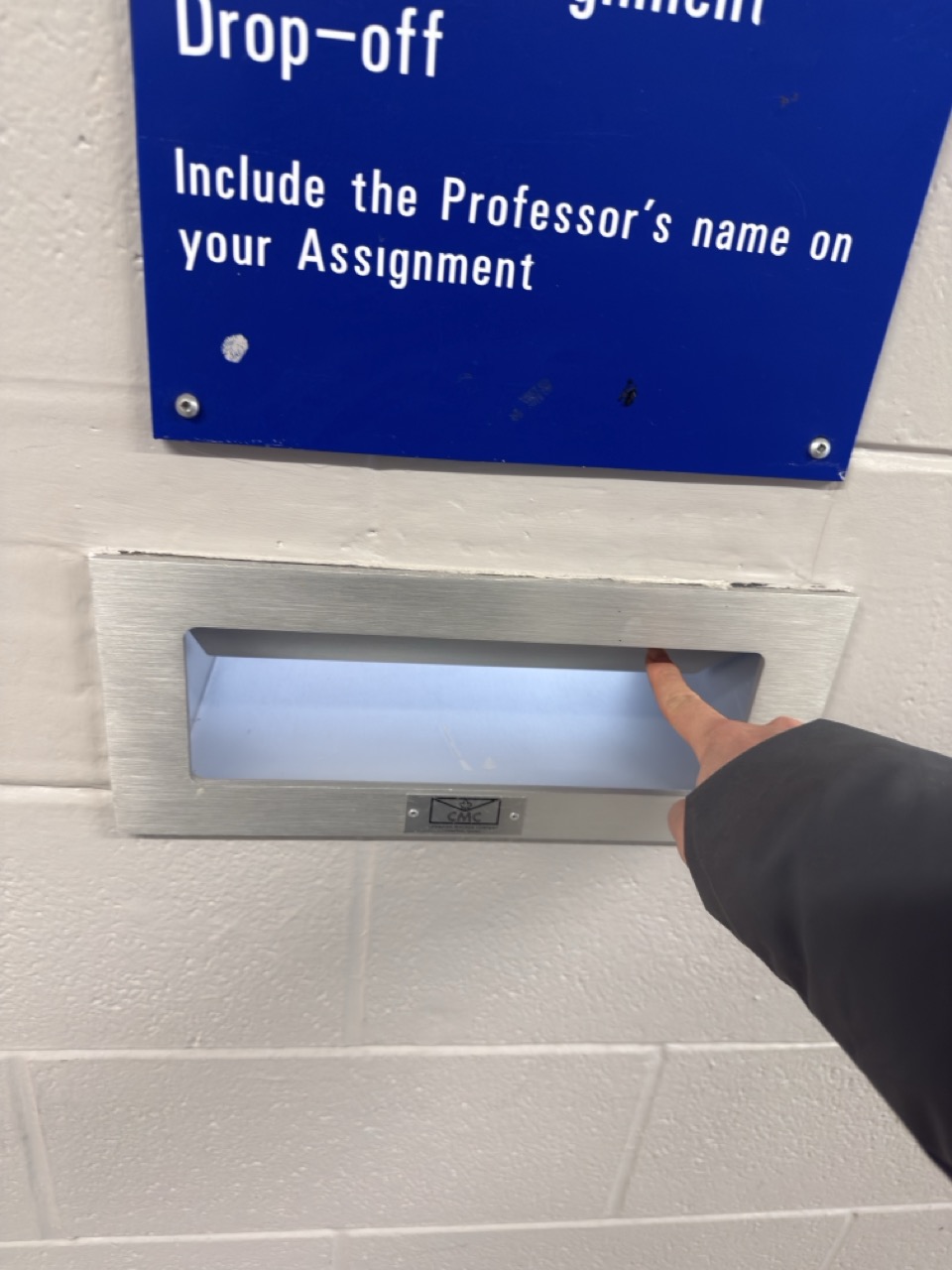
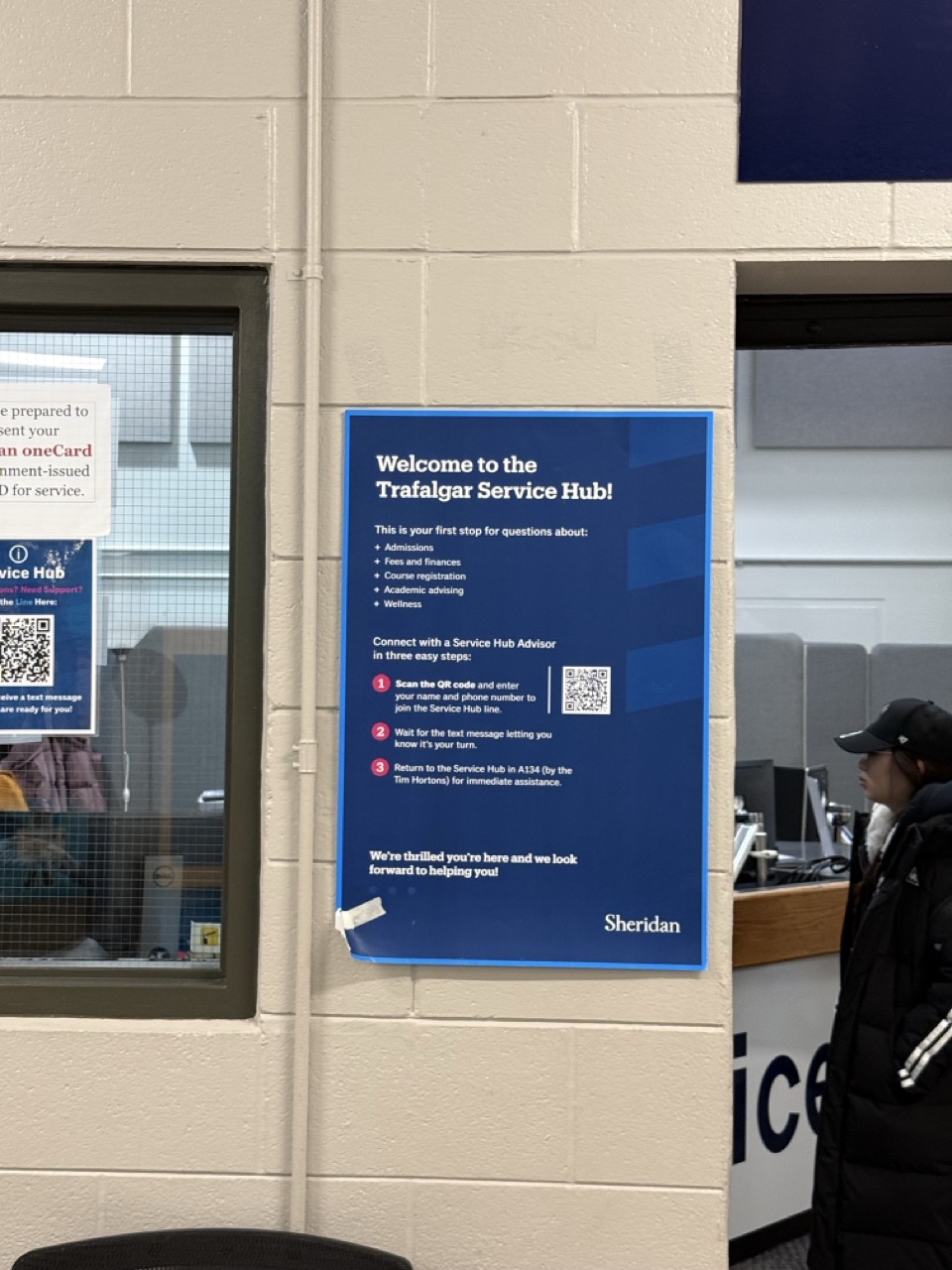
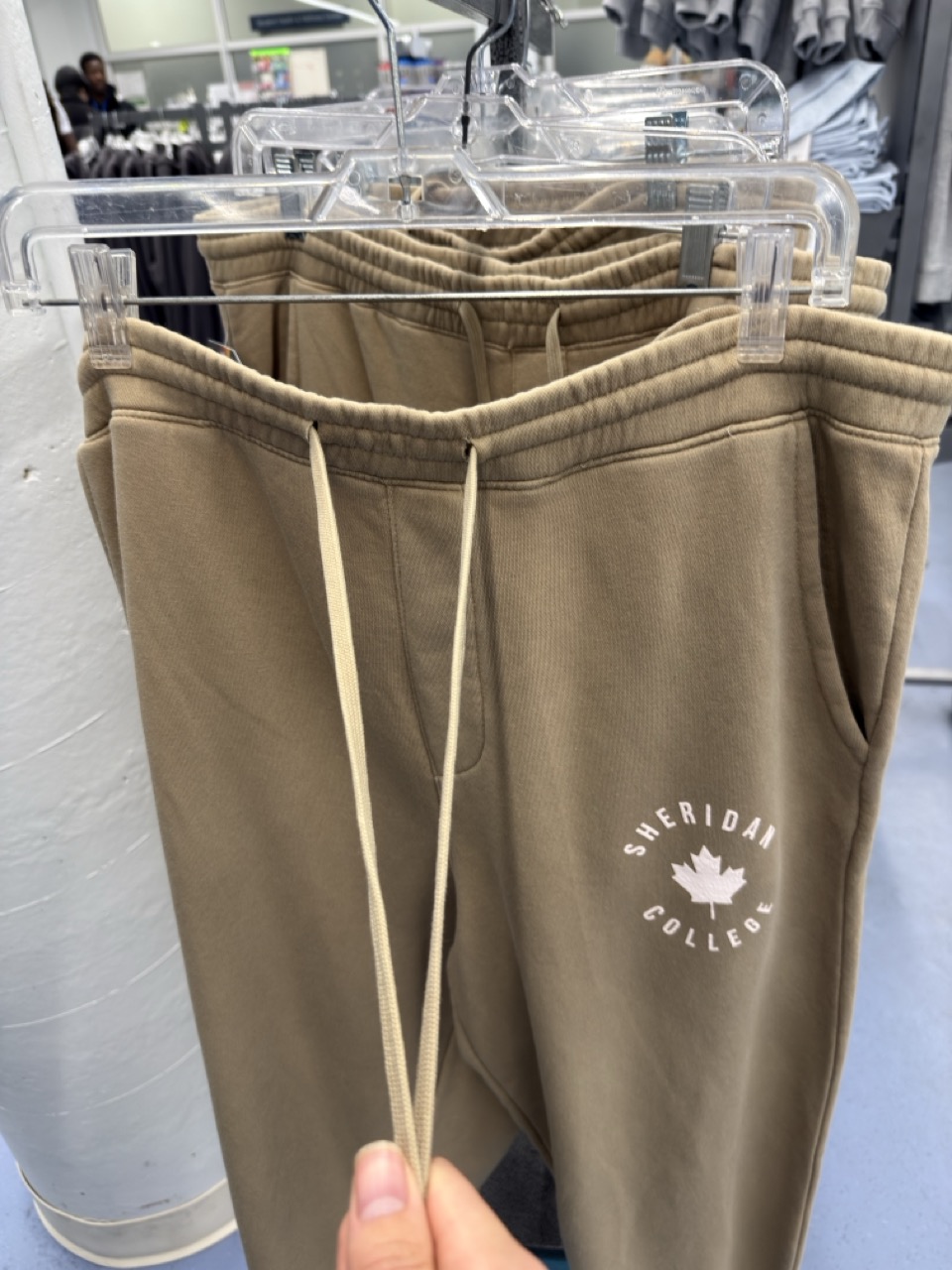
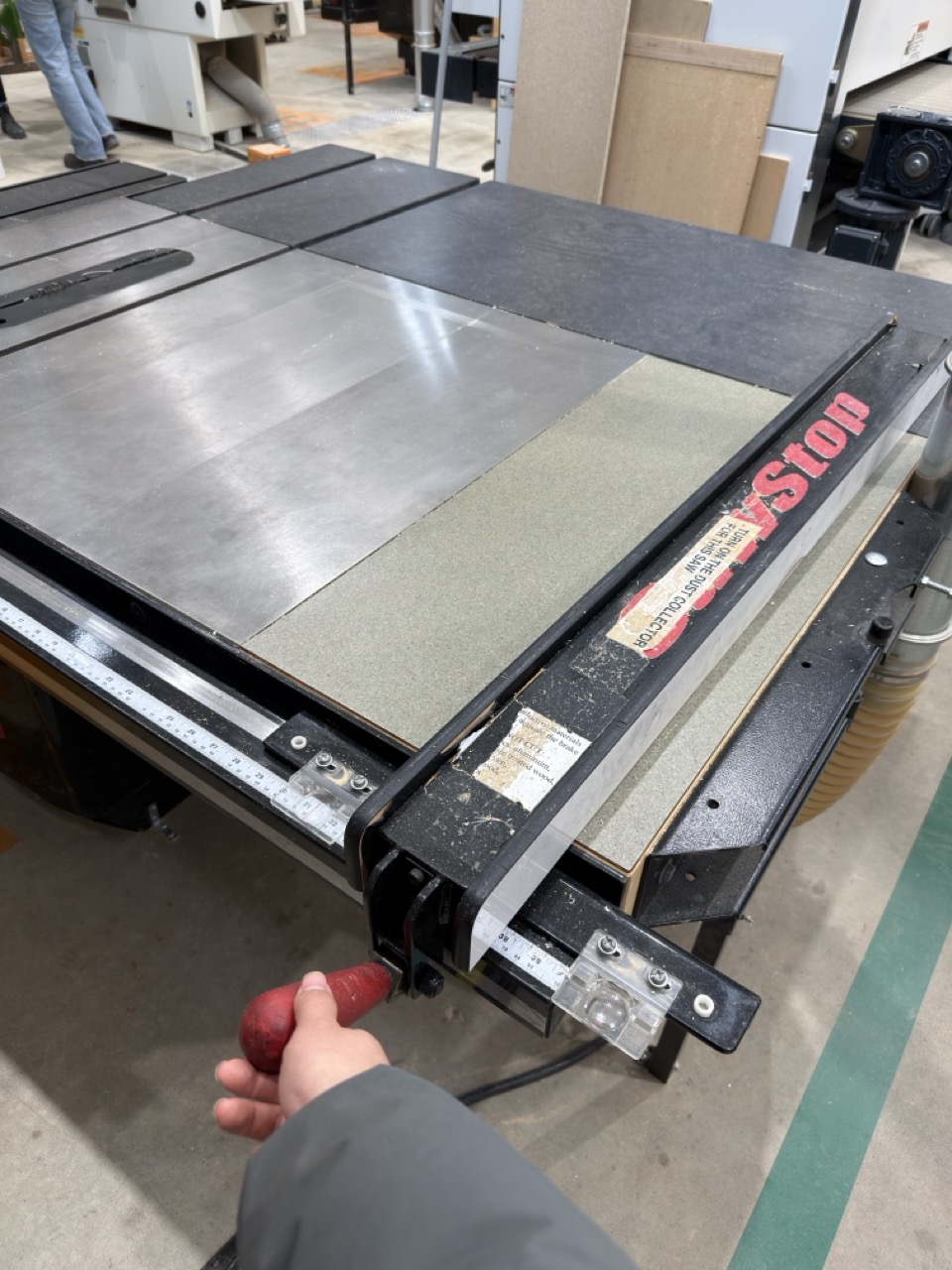
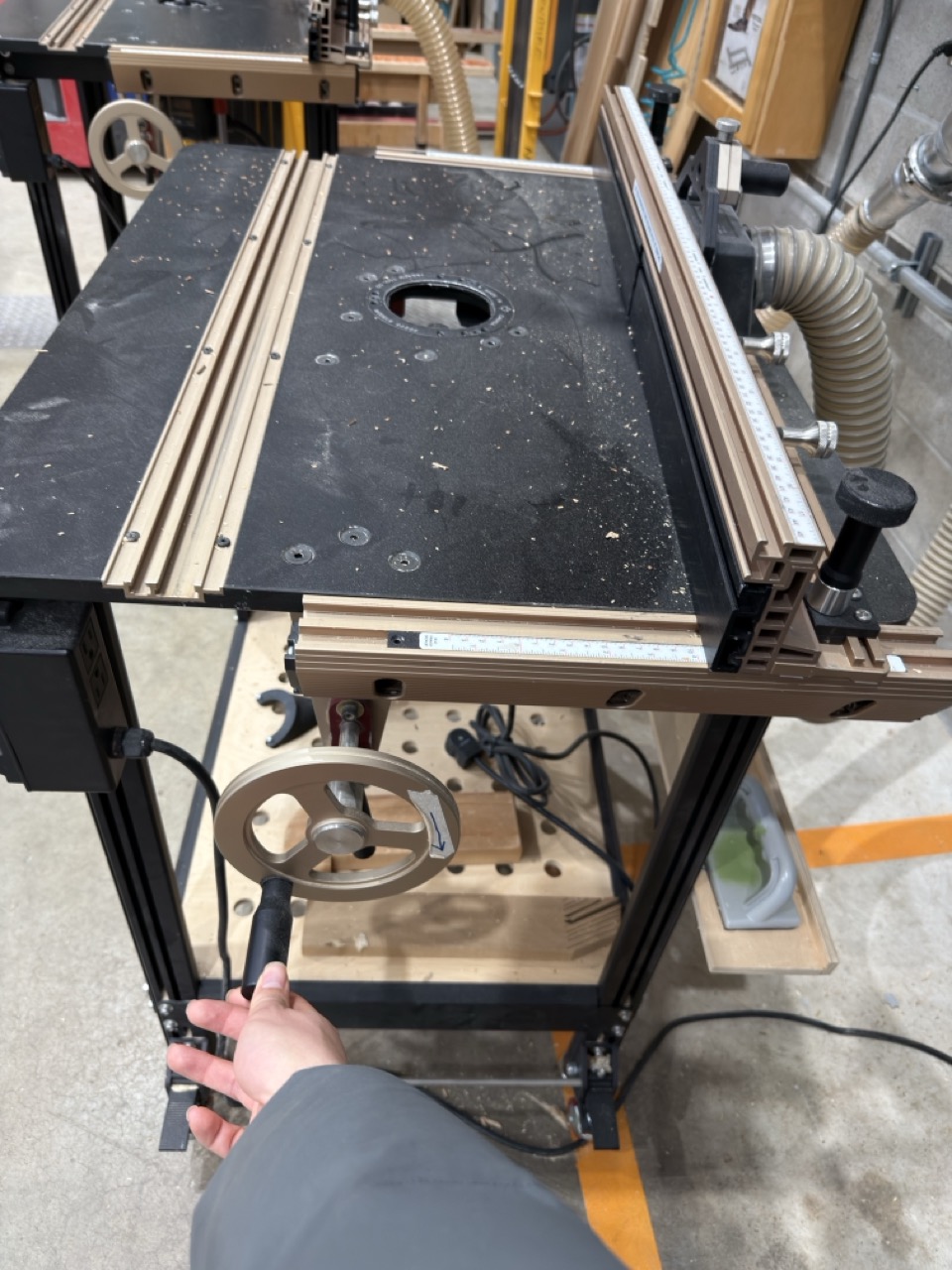
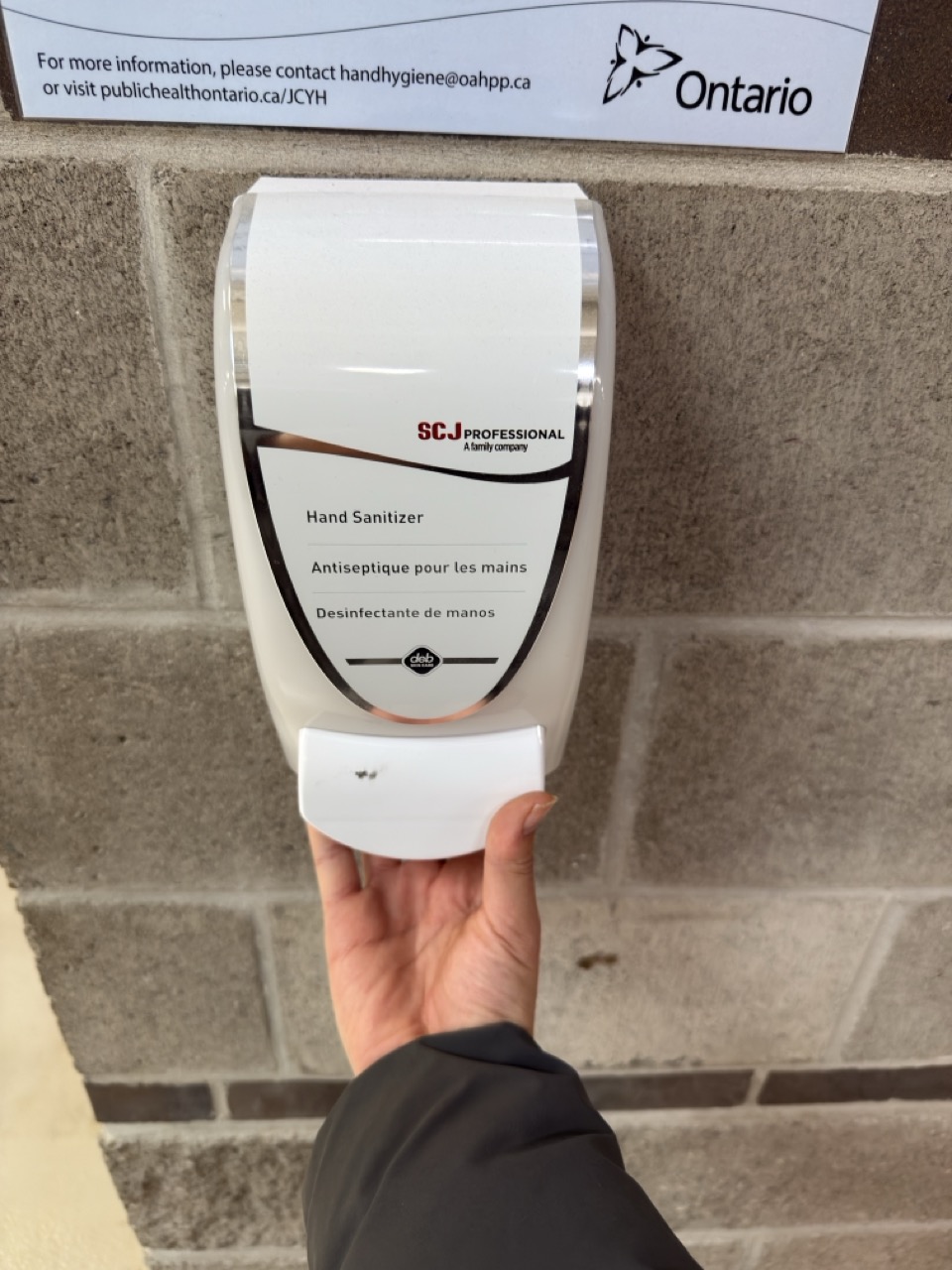
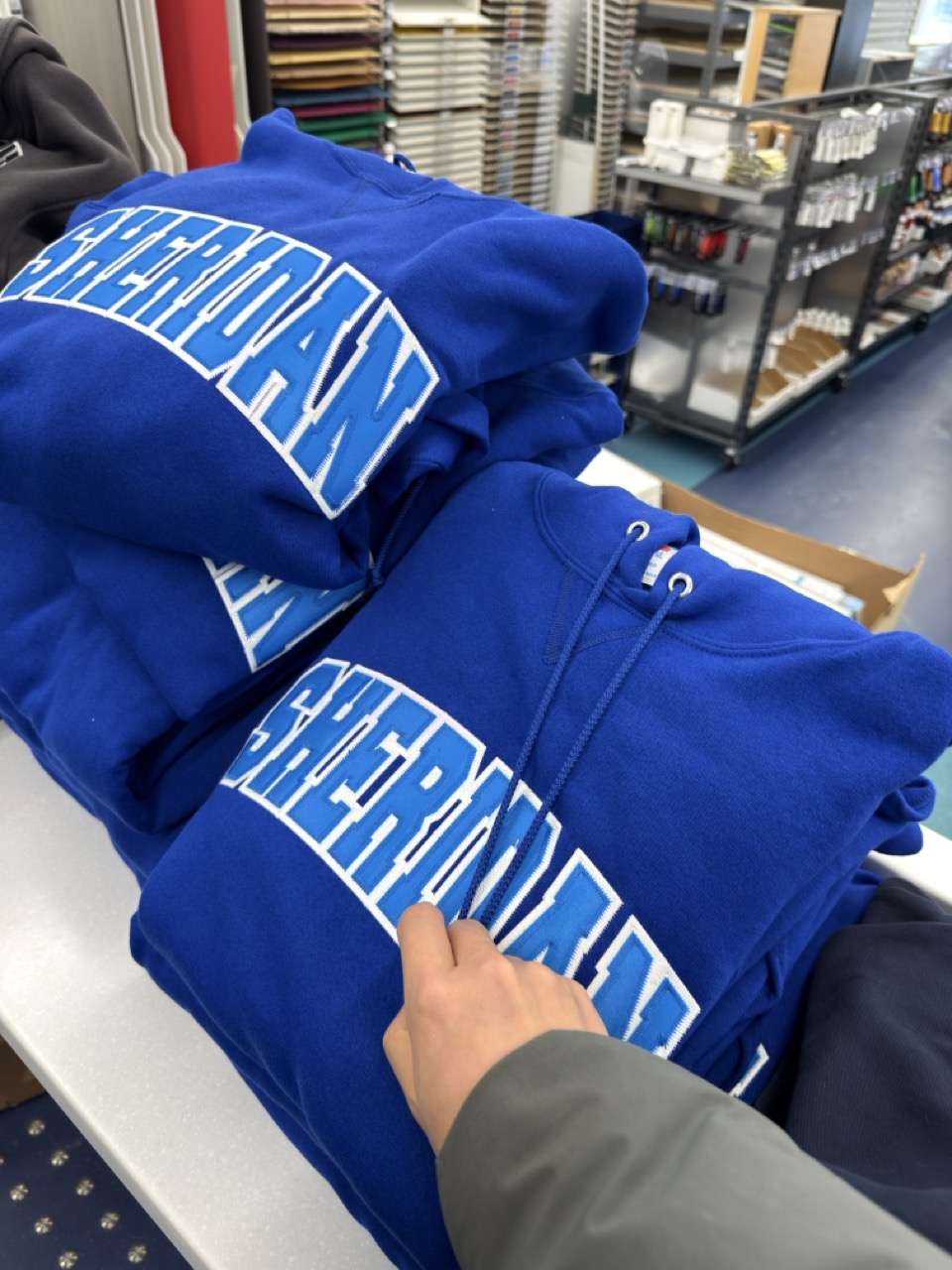
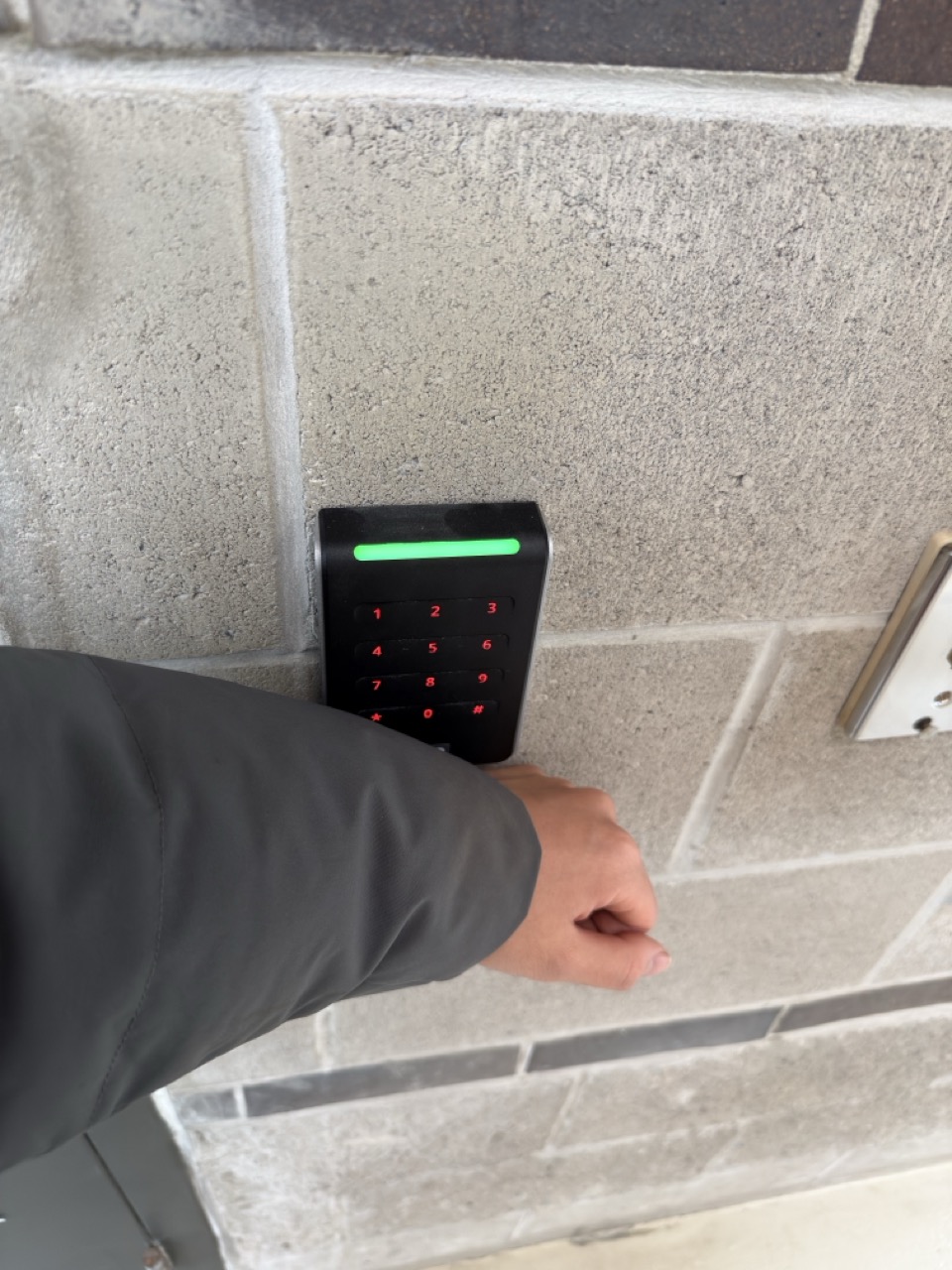
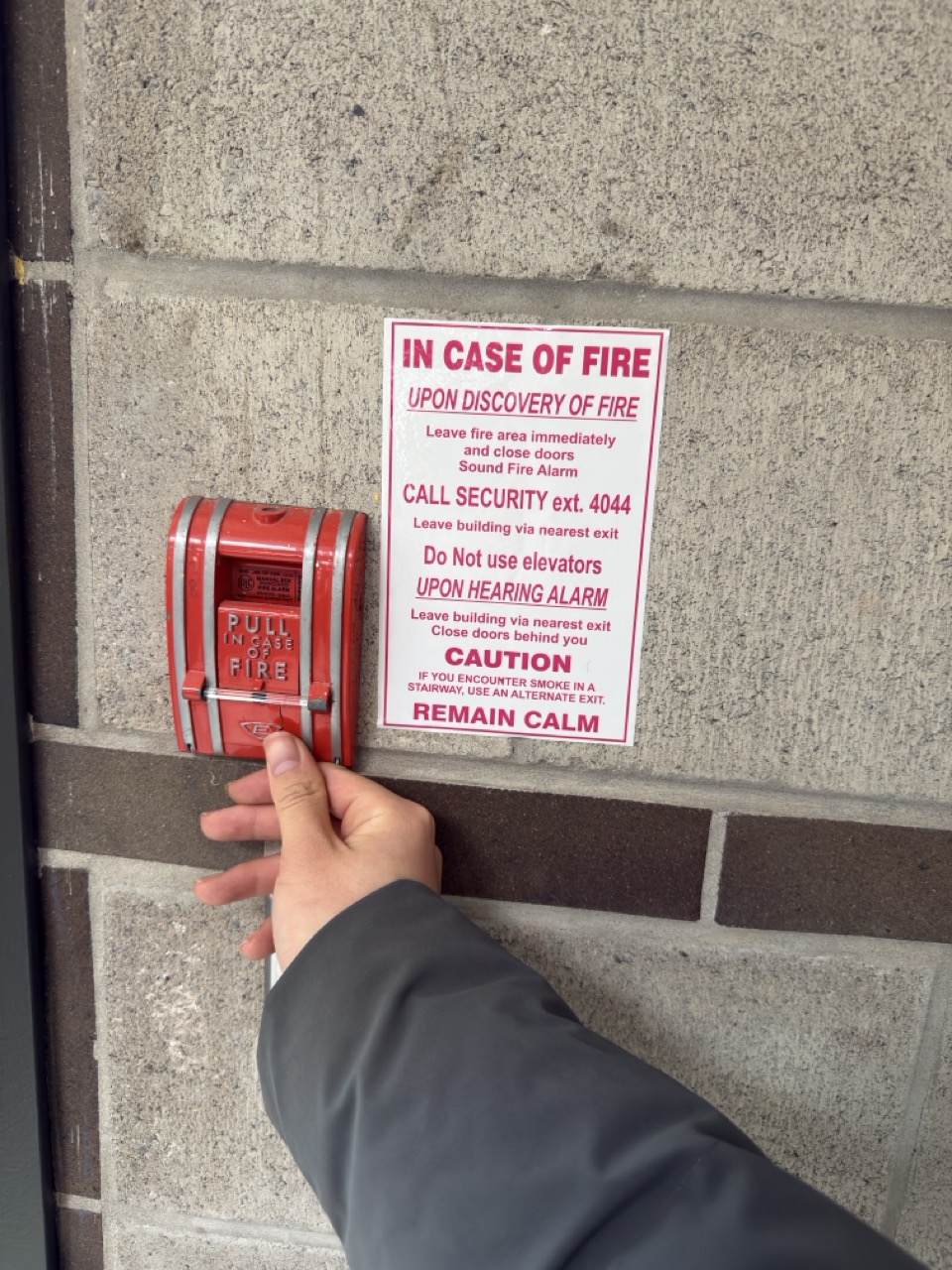
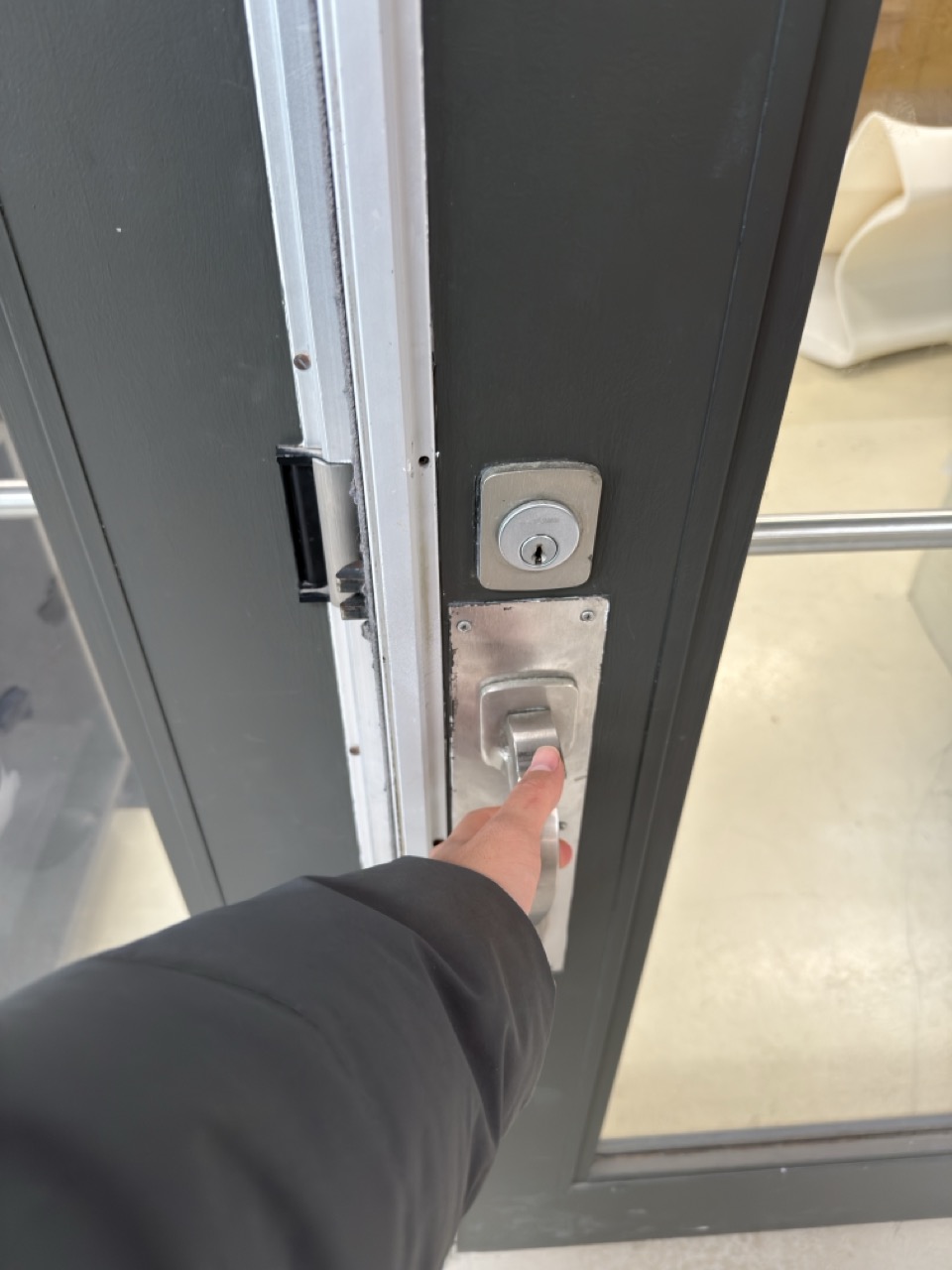
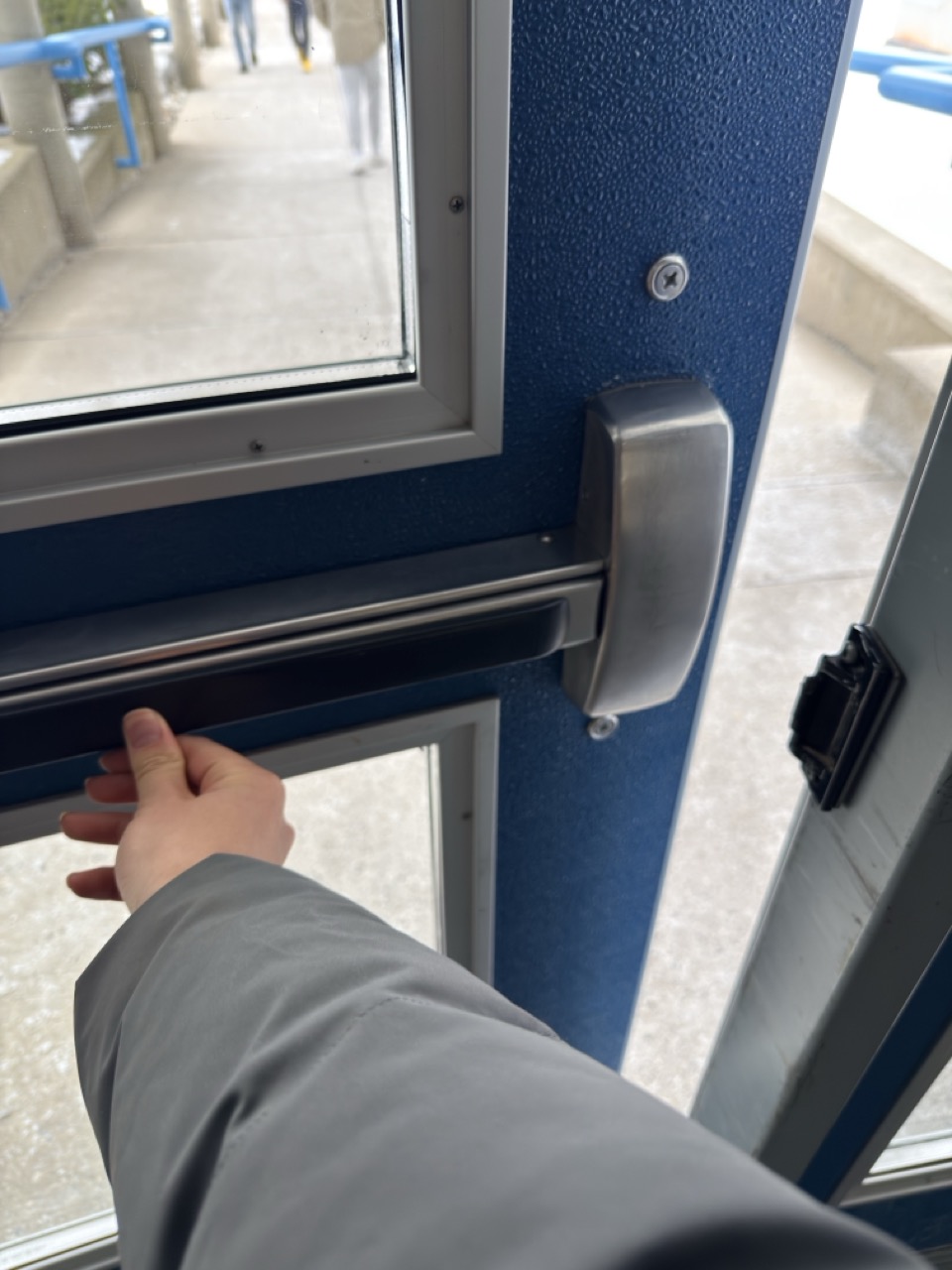
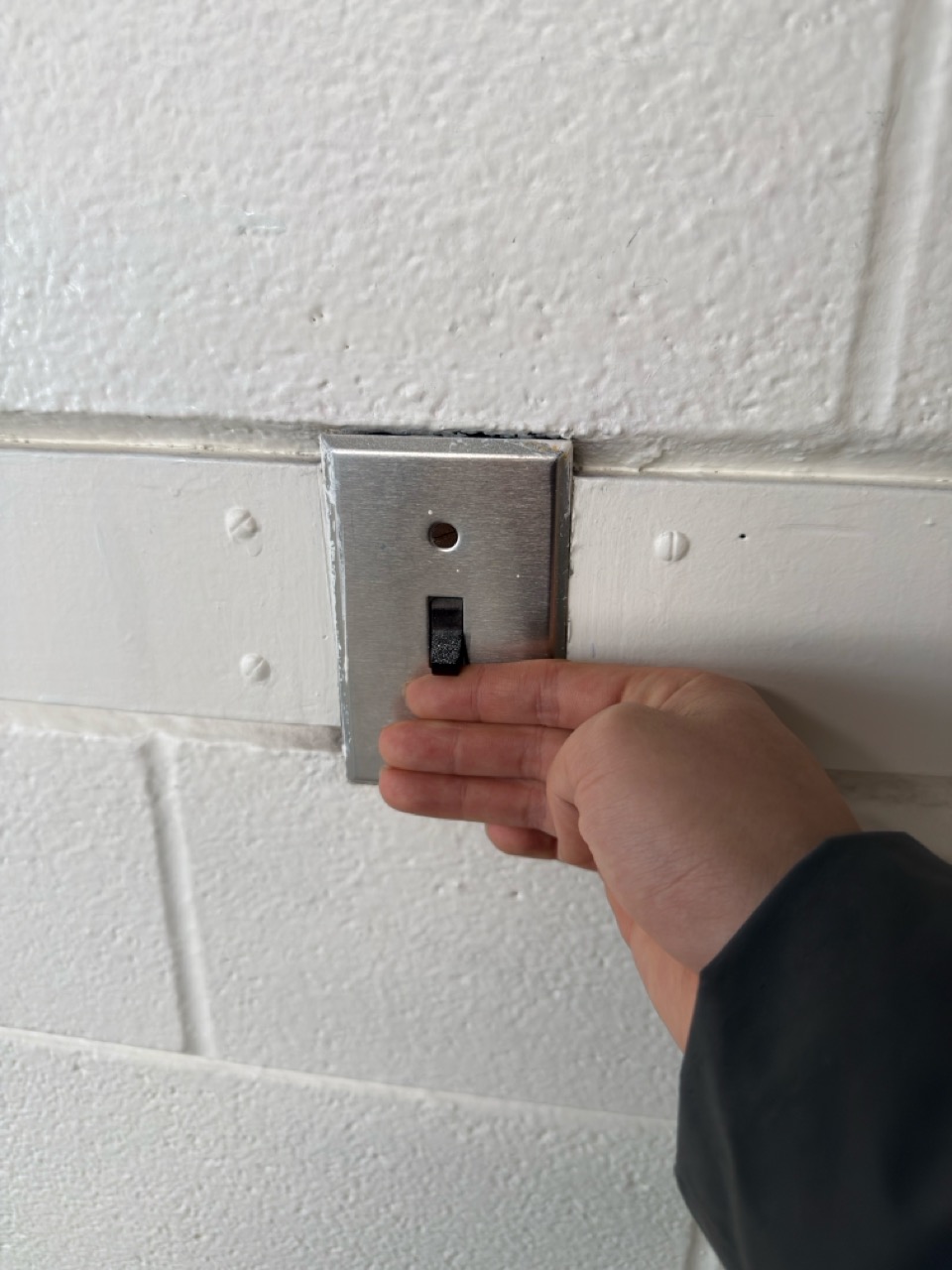
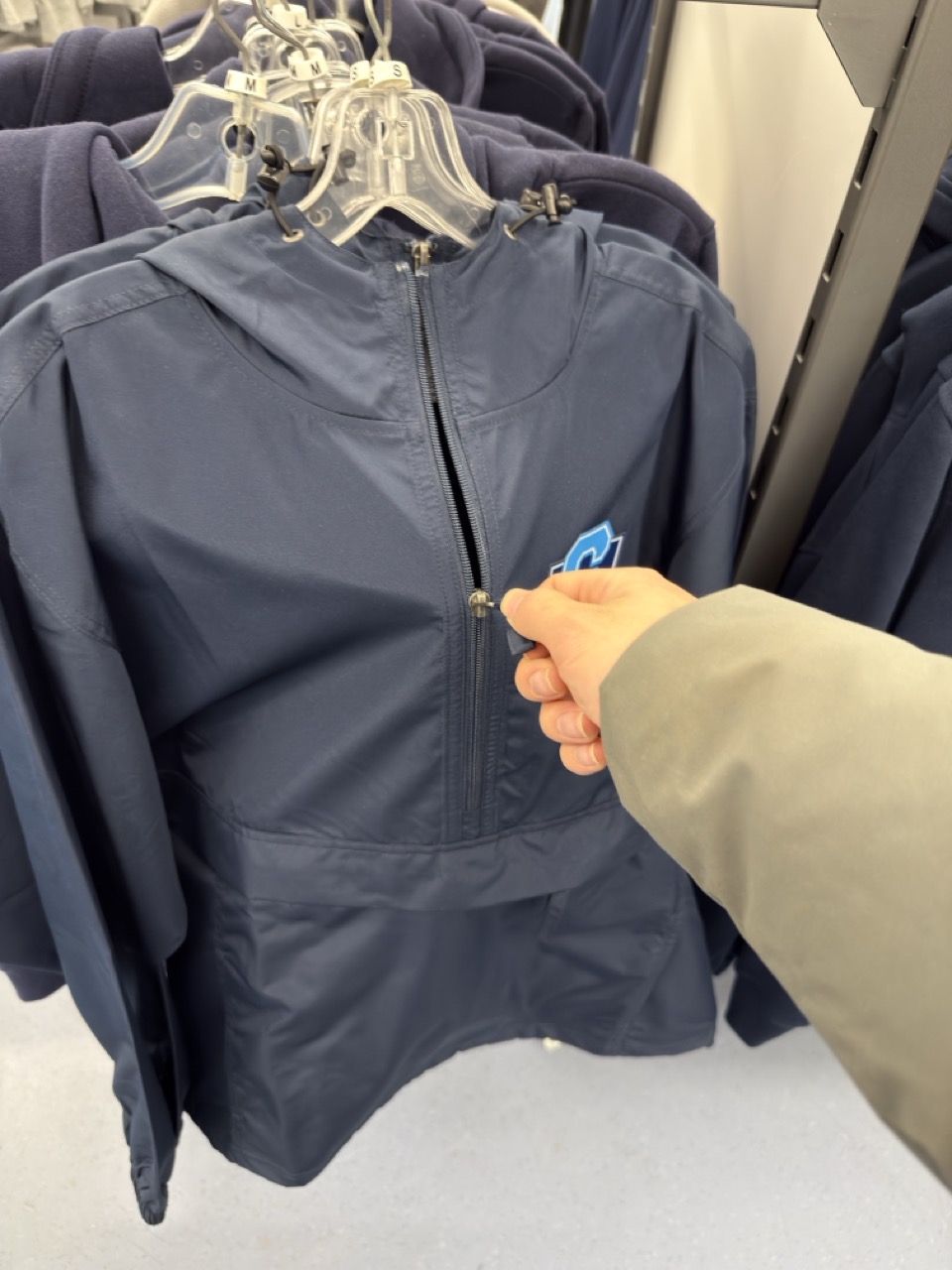
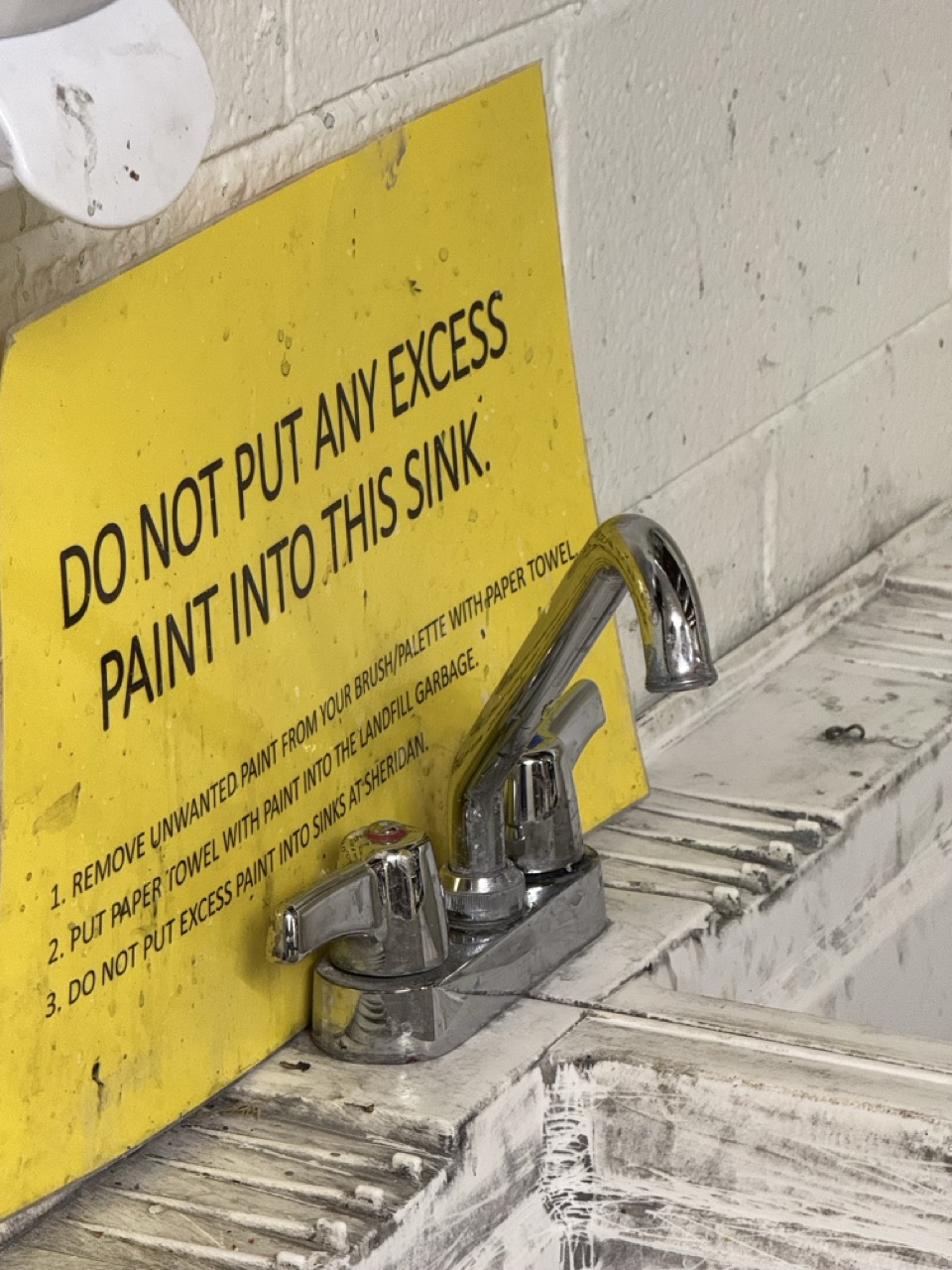
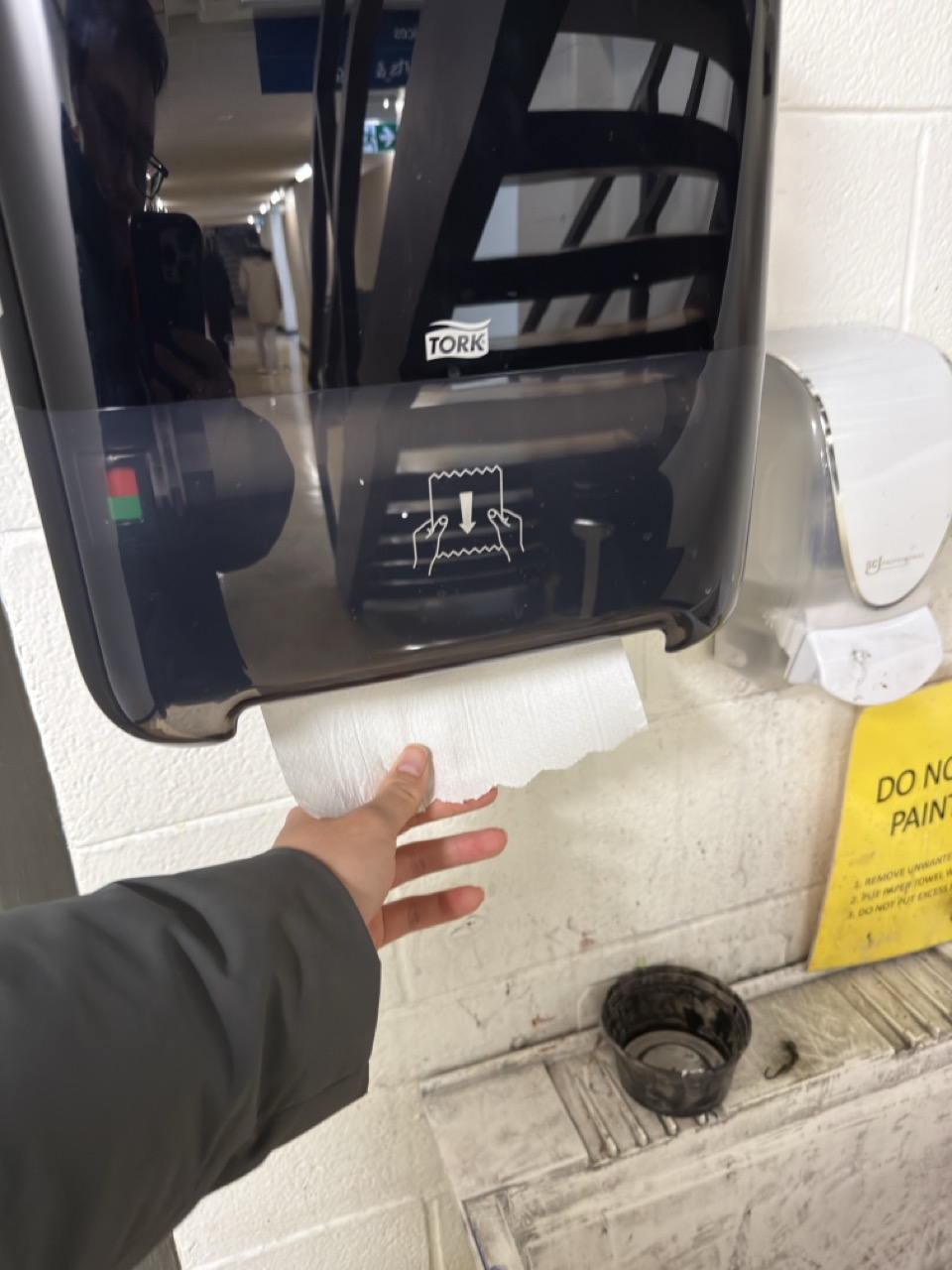
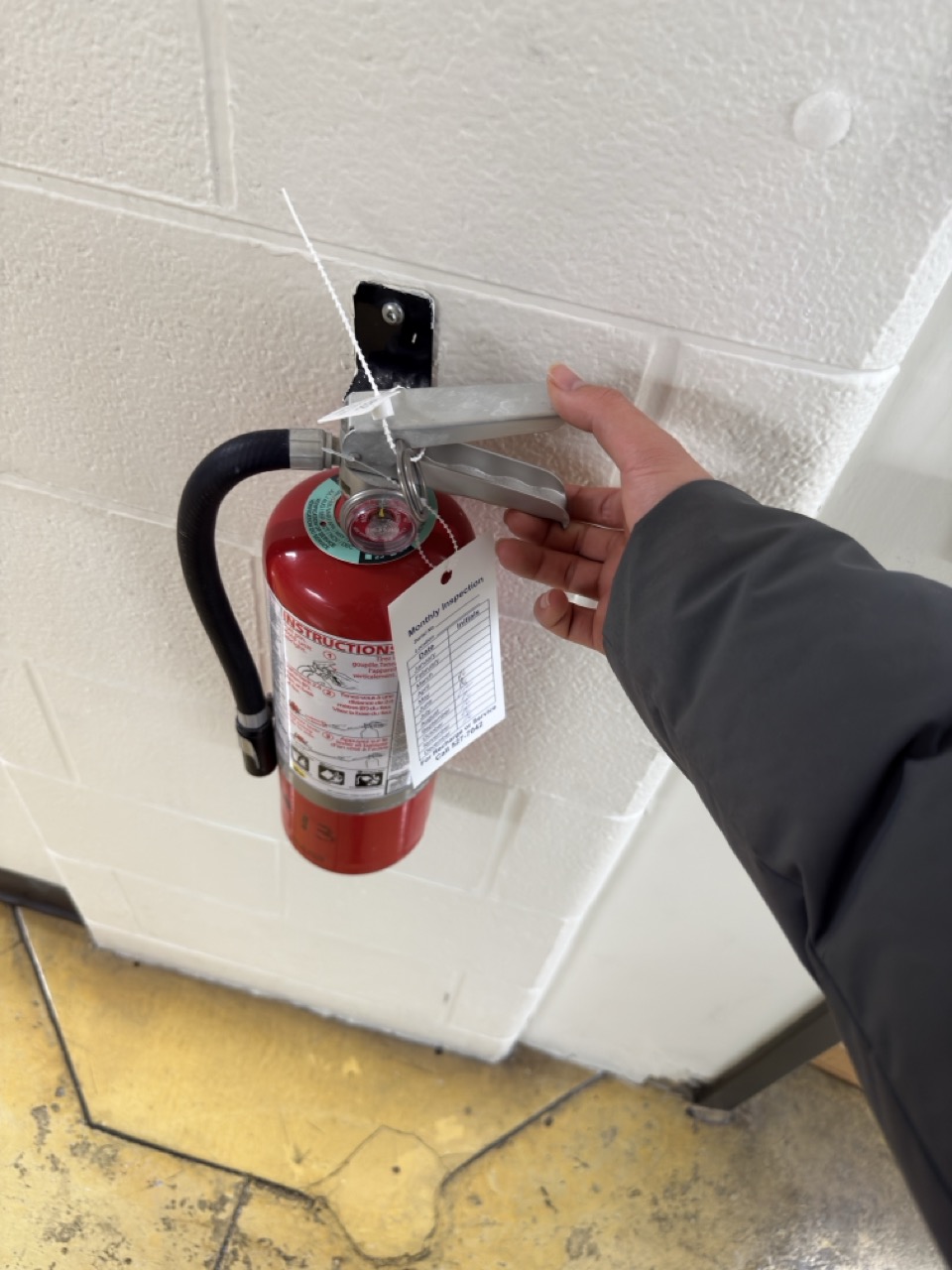
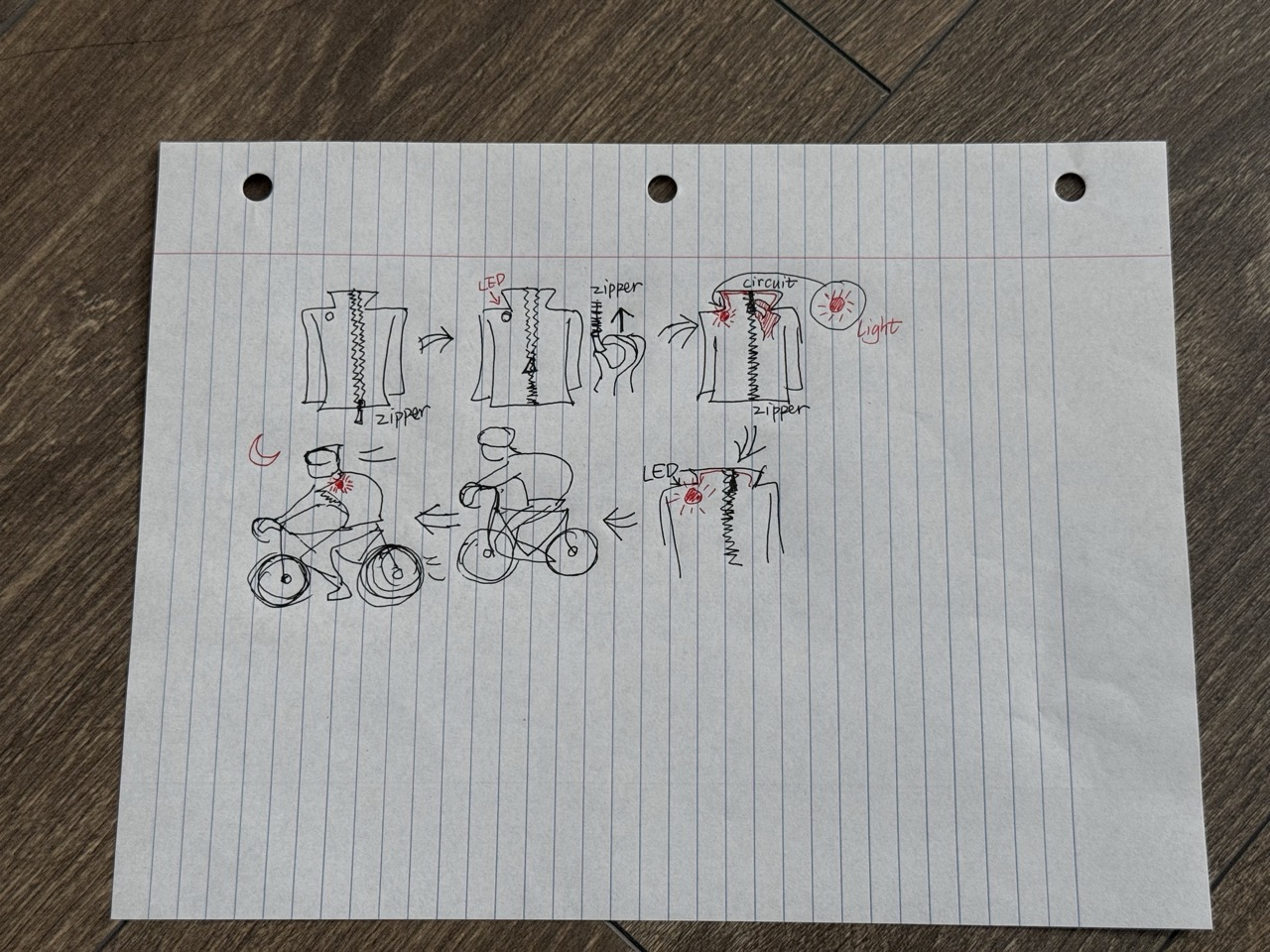
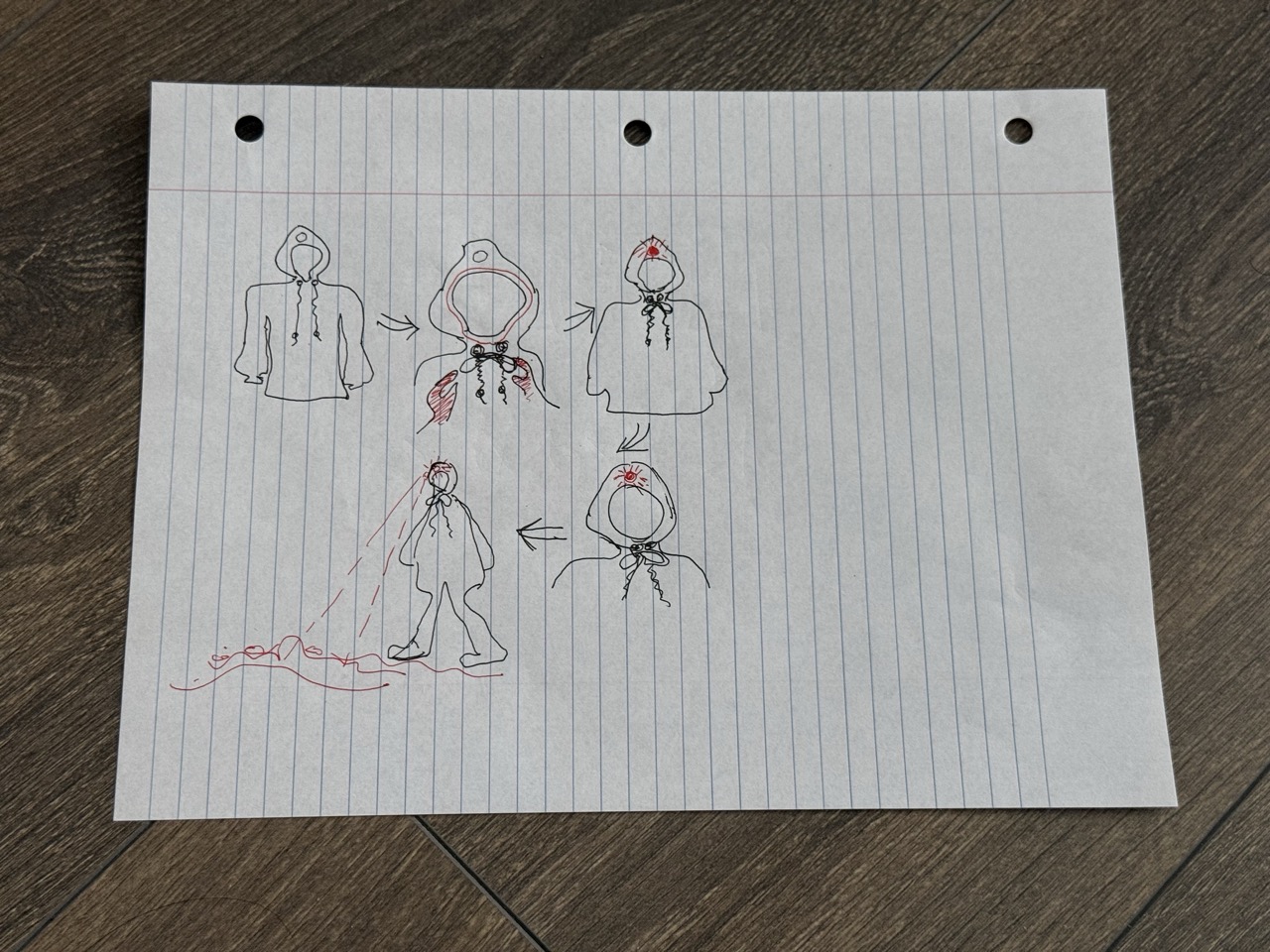
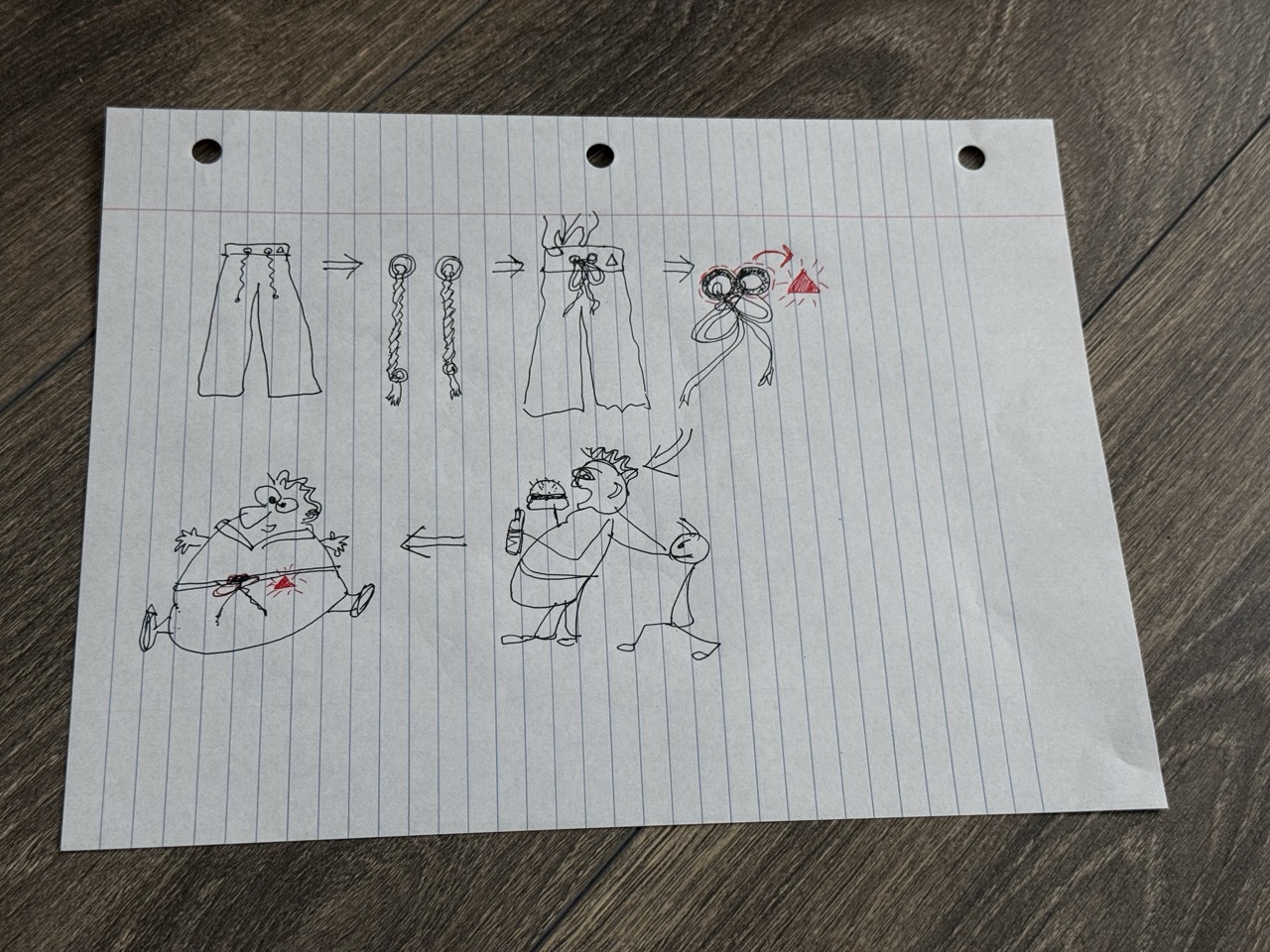
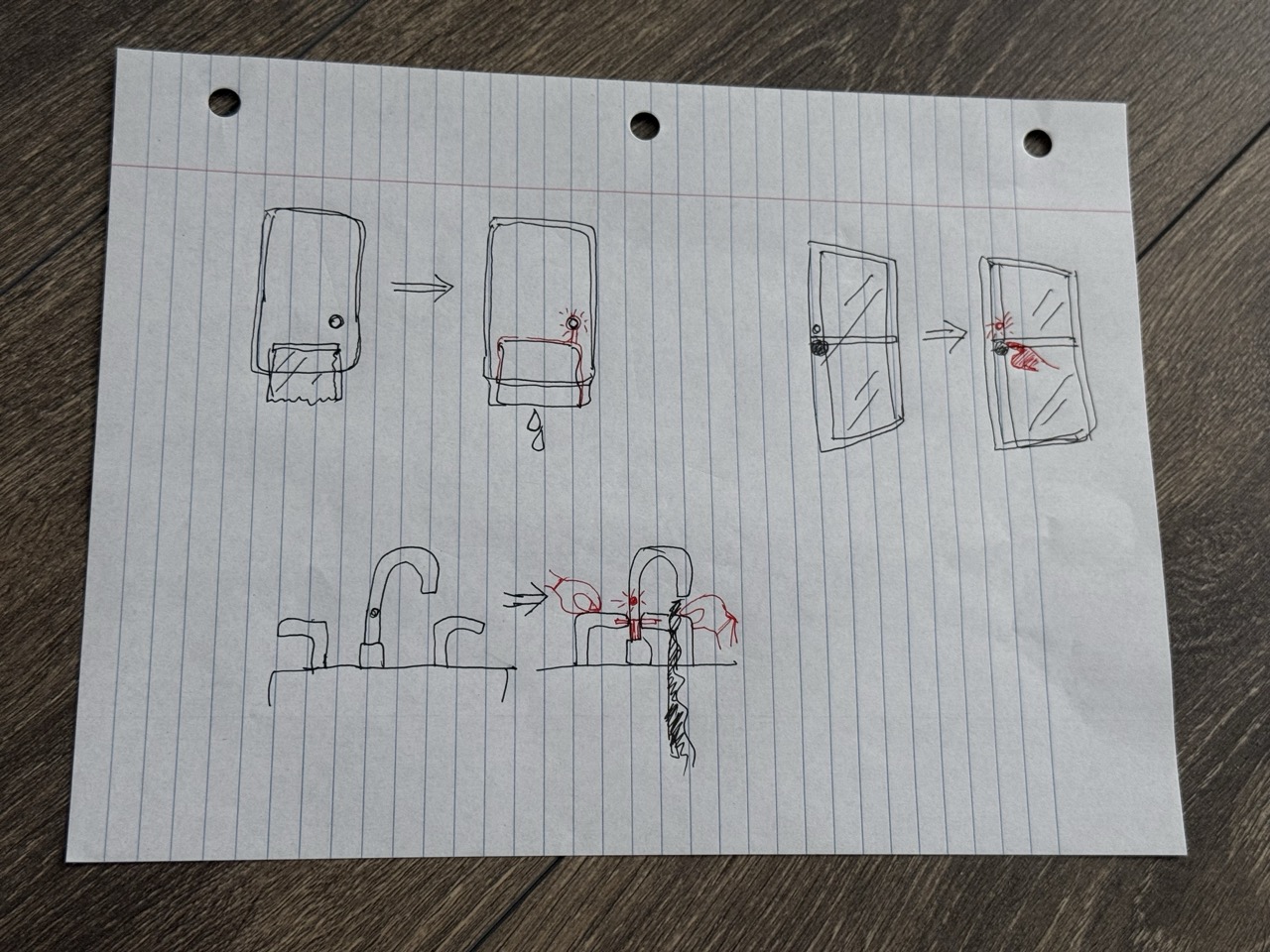
press a button to call security. can be pulling a drawer open to reveal its contents. door handel can open a door. Using button to open a door. pulling a drawer open to reveal its contents. Illustration of a mail drop off. a qr code that can scan. person pulling up a pair of pants by gripping the waistband and adjusting them into position. a lever to twist the table. a reel to twist the table press to get Hand Sanitizer. a zipper that showing look like in hand draw img 22. door security define by led that can be open or not. pull encase of fire. door handel that can be pull not push. A hand pulling a lever on a manual device to activate it. hand flipping a light switch to turn it on or off. hand flipping a temprature knob to turn it on or off. Close-up of a hand turning a tap handle. Where to get hand towel paper. action to gripping the handle of a red fire extinguisher and pressing the lever to release its contents. Experiment with moveable LED placement in a copper tape circuit to activate on a clothes. Detailed view of a clothes designed with LEDs Detailed view of a pants designed with LEDs tell to tight. Finalized three design circuit ideas based with glowing LED and circuit.

Project 1


Final Project 1 Design

Wearable Interactive Affordance Based Circuit

This smart cycling helmet enhances safety through an integrated lighting system. Conductive wires embedded in the design ensure clear functional signaling, while the helmet's buckle doubles as a switch. When fastened, it completes the circuit, automatically activating the built-in headlight for nighttime visibility. This seamless interaction eliminates manual operations, providing an intuitive safety response. The steady lighting mode ensures continuous protection, making it an adaptive and effortless solution for cyclists. By combining real-time activation with a minimalistic design, it transforms traditional gear into a smart, interactive safety device.
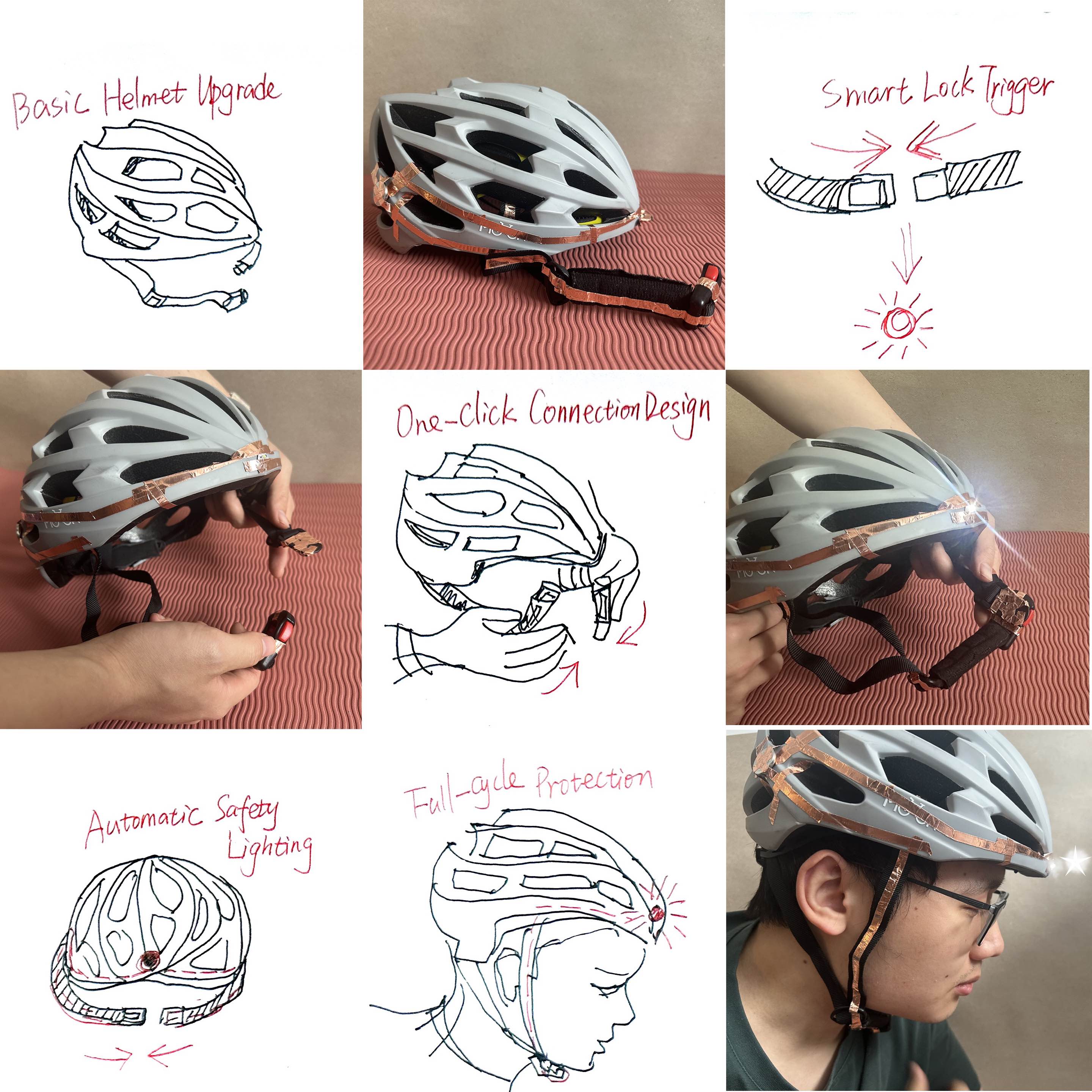
A smart cycling helmet with conductive wires and an automatic lighting system.

Non-Wearable Interactive Affordance Based Circuit

This device is designed to modify behavior through environmental cues rather than forceful restriction. It features a phone holder with an integrated alert system, where placing the phone activates a red light. This light serves as a subconscious reminder, helping users regulate their screen time without direct intervention. By linking physical placement with a subtle visual signal, the system encourages effortless habit formation, reducing reliance on willpower. This approach leverages behavioral psychology to create sustainable self-regulation practices.
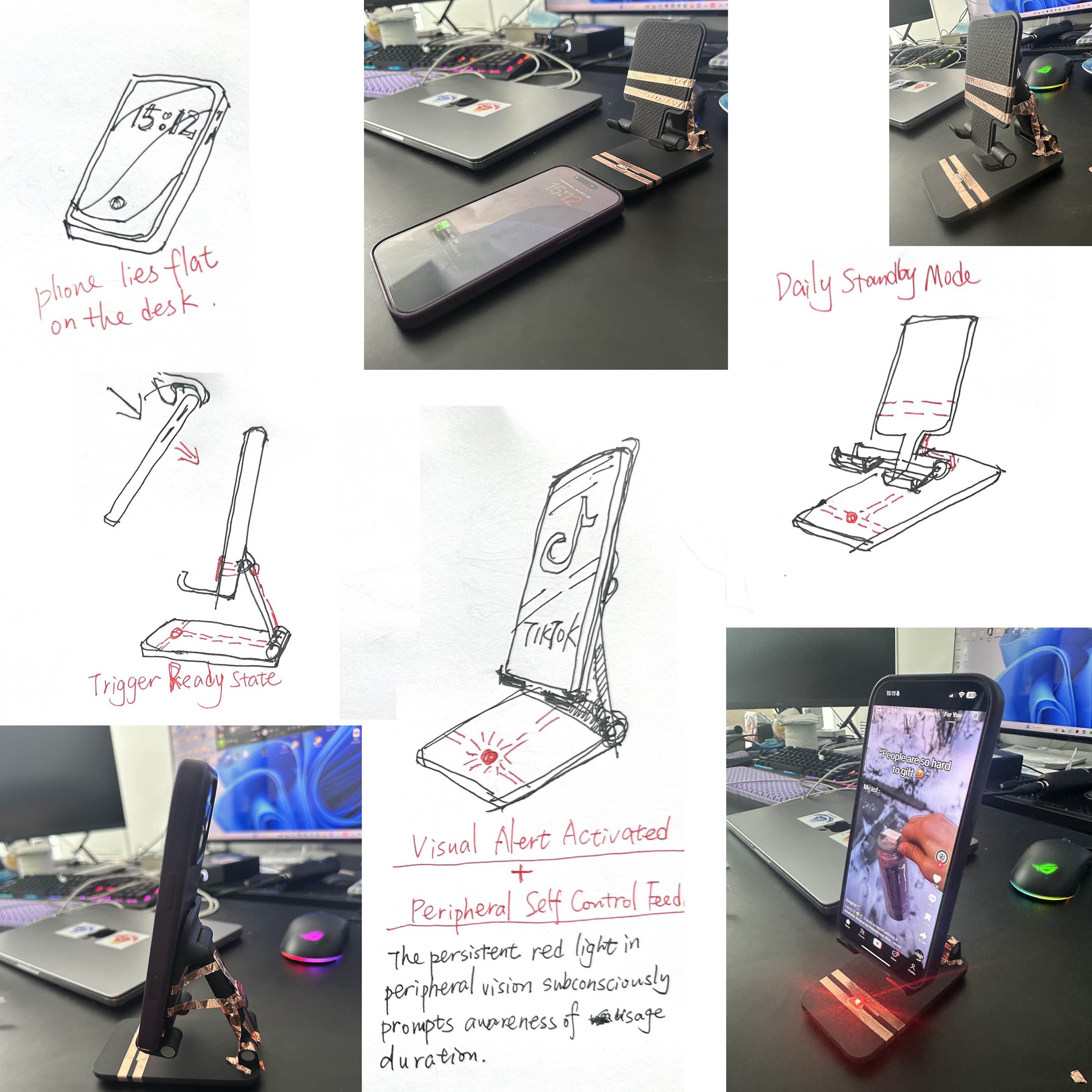
A self-control toolkit utilizing red light feedback for behavior modification.
×

Powered by w3.css